military spy satellites are a key focus as Korea prepares to launch them using the homegrown Nuri rocket in 2031. This initiative aims to bolster national security and technological advancement.
Overview of Korea’s Military Satellite Program
Korea’s military satellite program is set to advance significantly with the planned launch of military spy satellites on the homegrown Nuri rocket by 2031. This initiative reflects a strategic move to enhance national security and intelligence capabilities in an increasingly complex geopolitical environment.
The development of these military spy satellites aims to provide real-time surveillance and reconnaissance, improving the country’s ability to monitor potential threats. The satellites are expected to be equipped with advanced imaging technology, allowing for detailed observation of key areas.
Key components of Korea’s military satellite program include:
- Domestic Technology: The use of homegrown technology minimizes reliance on foreign systems.
- Increased Monitoring: Enhanced capabilities will allow for better tracking of military movements in the region.
- Collaboration: Partnerships with local aerospace companies are expected to boost innovation.
As Korea prepares for this ambitious launch, the integration of military spy satellites into its defense strategy signals a commitment to maintaining a robust national defense posture.
Significance of the Nuri Rocket
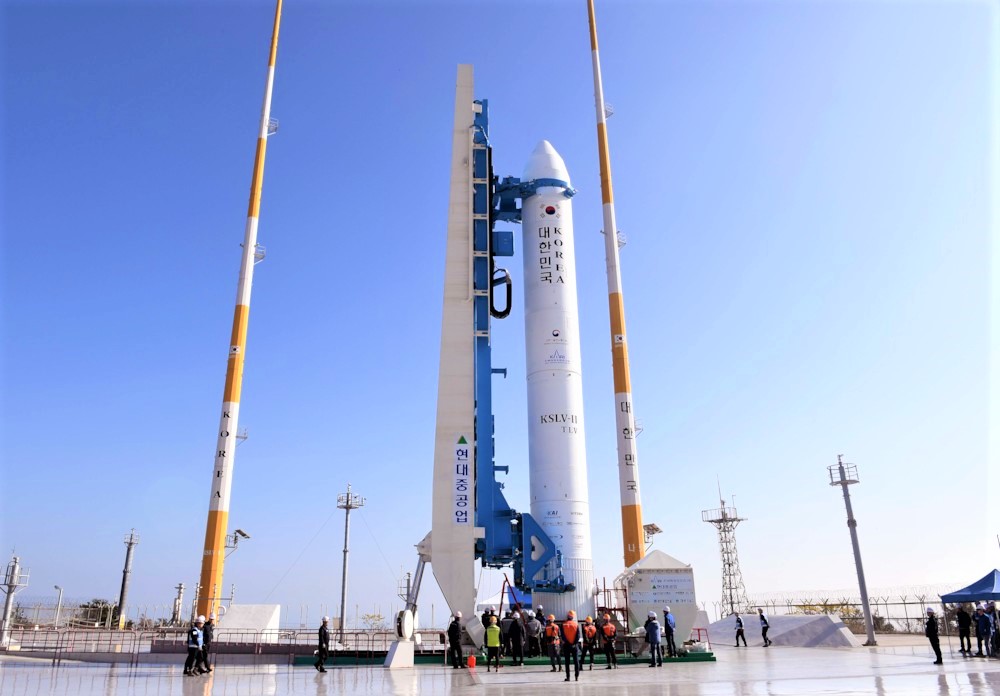
The significance of the Nuri rocket in the context of military spy satellites cannot be overstated. As Korea prepares for its ambitious launch in 2031, the Nuri rocket represents a critical advancement in the nation’s ability to deploy advanced surveillance capabilities.
The Nuri rocket is designed to enhance Korea’s strategic autonomy in space, enabling the country to develop and operate its military spy satellites without reliance on foreign technology. This move is crucial for national security, as it allows for real-time intelligence gathering and monitoring of potential threats.
Key benefits of the Nuri rocket include:
- Increased reliability: With a proven track record in test launches, the Nuri rocket aims to deliver consistent performance for future missions.
- Cost-effectiveness: By utilizing domestically developed technology, Korea can reduce expenses associated with foreign satellite launches.
- Enhanced capabilities: The ability to launch military spy satellites will significantly improve surveillance and reconnaissance efforts.
In conclusion, the Nuri rocket is poised to play a pivotal role in Korea’s military satellite program, ultimately strengthening the nation’s defense posture.
How Military Spy Satellites Enhance Security
Military spy satellites play a crucial role in enhancing national security by providing real-time intelligence and surveillance capabilities. These advanced systems allow for the monitoring of potential threats, ensuring that military forces are prepared to respond to emerging situations.
The integration of military spy satellites into defense strategies offers several advantages:
- Real-time data collection: These satellites gather critical information on troop movements and infrastructure, enabling timely decision-making.
- Improved reconnaissance: High-resolution imagery obtained from military spy satellites enhances situational awareness and operational planning.
- Deterrence: The presence of advanced surveillance capabilities can deter potential aggressors, reducing the likelihood of conflict.
- Global reach: Military spy satellites can cover vast geographic areas, providing intelligence across borders and oceans.
As nations increasingly rely on technology to safeguard their interests, the development and deployment of military spy satellites will continue to be a cornerstone of modern defense strategies. This evolution underscores the importance of investing in homegrown launch systems, such as the Nuri rocket, to ensure self-sufficiency in military capabilities.
Timeline for the 2031 Launch
The timeline for the 2031 launch of military spy satellites marks a significant milestone in Korea’s efforts to bolster its defense capabilities. Key phases leading up to the launch have been outlined to ensure a successful deployment.
- Phase 1: Development and Testing (2024-2026) – The initial phase focuses on the development of the satellites and comprehensive testing of the Nuri rocket to ensure reliability.
- Phase 2: Integration and Simulation (2027-2028) – This period involves integrating the satellites with the Nuri rocket and conducting simulation tests to prepare for real-world conditions.
- Phase 3: Final Preparations (2029-2030) – As the launch date approaches, final adjustments and preparations will be made, including the assembly of the launch vehicle and final checks on satellite systems.
- Phase 4: Launch Execution (2021) – The culmination of these efforts will be the actual launch, where military spy satellites are deployed into orbit, enhancing national security capabilities.
By adhering to this timeline, Korea aims to establish a robust surveillance network that will strengthen its defense posture in a rapidly changing geopolitical landscape.
Technological Innovations Behind Nuri
The development of the Nuri rocket has marked a significant advancement in the realm of military spy satellites. This homegrown technology showcases a series of technological innovations designed to enhance the capabilities of satellite launches.
One key innovation is the rocket’s improved propulsion system, which allows for increased payload capacity and efficiency. By utilizing advanced materials and design techniques, Nuri has achieved a lighter structure while maintaining strength, enabling it to reach higher orbits more effectively.
Additionally, Nuri incorporates cutting-edge guidance and control systems, ensuring precise navigation during launch. This precision is critical for deploying military spy satellites, which require exact orbital placement for optimal functionality. The ability to efficiently position these satellites enhances their surveillance capabilities, providing real-time intelligence that is vital for national security.
Furthermore, the integration of artificial intelligence in the rocket’s operation allows for adaptive responses to varying conditions during launch, reducing the risk of failure. As Korea prepares for its 2031 launch, these innovations in the Nuri rocket are set to play a crucial role in the deployment of military spy satellites.
International Reactions to Korea’s Plans
International reactions to Korea’s plans to launch military spy satellites have been a mix of concern and cautious interest. Countries in the region, particularly those with existing tensions with Korea, have expressed apprehension about the implications of enhanced surveillance capabilities.
- United States: Officials have highlighted the potential for increased military transparency, yet they remain wary of the strategic advantages these satellites could provide to Korea.
- China: The response from Beijing has been overwhelmingly critical, with state media warning that the launch could escalate regional arms races.
- Japan: Japan has indicated a need to bolster its own defense measures in light of Korea’s advancements in military technology, including the development of military spy satellites.
- Russia: Russian analysts have suggested that Korea’s satellite program could destabilize the balance of power in Northeast Asia.
As nations assess the ramifications of Korea’s military satellite program, the global discourse will likely shape future diplomatic relations and defense strategies in the region.
Challenges in Satellite Development
The development of military spy satellites presents several challenges that need to be addressed for successful deployment. These obstacles can range from technical difficulties to budget constraints, impacting the overall timeline and effectiveness of satellite programs.
Some of the key challenges include:
- Technological Complexity: The design and engineering of satellites require advanced technology and expertise. Ensuring that these satellites can withstand harsh space conditions while providing reliable data is crucial.
- Cost Management: Developing military spy satellites is an expensive endeavor. Balancing budget allocations with the need for cutting-edge technology can strain resources.
- International Regulations: Navigating the complex web of international laws and treaties regarding satellite launches and military operations is vital to avoid diplomatic conflicts.
- Data Security: Protecting the sensitive information gathered by military spy satellites from potential cyber threats and unauthorized access is essential for national security.
As Korea continues to develop its military satellite program, overcoming these challenges will be key to ensuring that the upcoming Nuri rocket launch in 2031 is successful.
Future of Military Space Operations
The future of military space operations is poised for significant transformation as advancements in technology and strategic planning converge. With the anticipated launch of military spy satellites aboard the homegrown Nuri rocket in 2031, Korea is setting a precedent for autonomous defense capabilities in space.
These developments are expected to enhance not only national security but also regional stability. As military spy satellites become integral components of defense strategies, the focus on real-time intelligence gathering will intensify. This shift will likely result in a more proactive approach to addressing potential threats and monitoring adversarial activities.
Key factors shaping the future landscape include:
- Increased collaboration between government agencies and private sectors to foster innovation.
- Advancements in miniaturization technologies, allowing for more efficient satellite designs.
- Heightened international competition driving nations to enhance their military space capabilities.
- Focus on cybersecurity to protect sensitive data transmitted from military spy satellites.
These elements will collectively influence the trajectory of military operations in space, making the coming years critical for strategic positioning and tactical advantages.
By jurvetson via Openverse