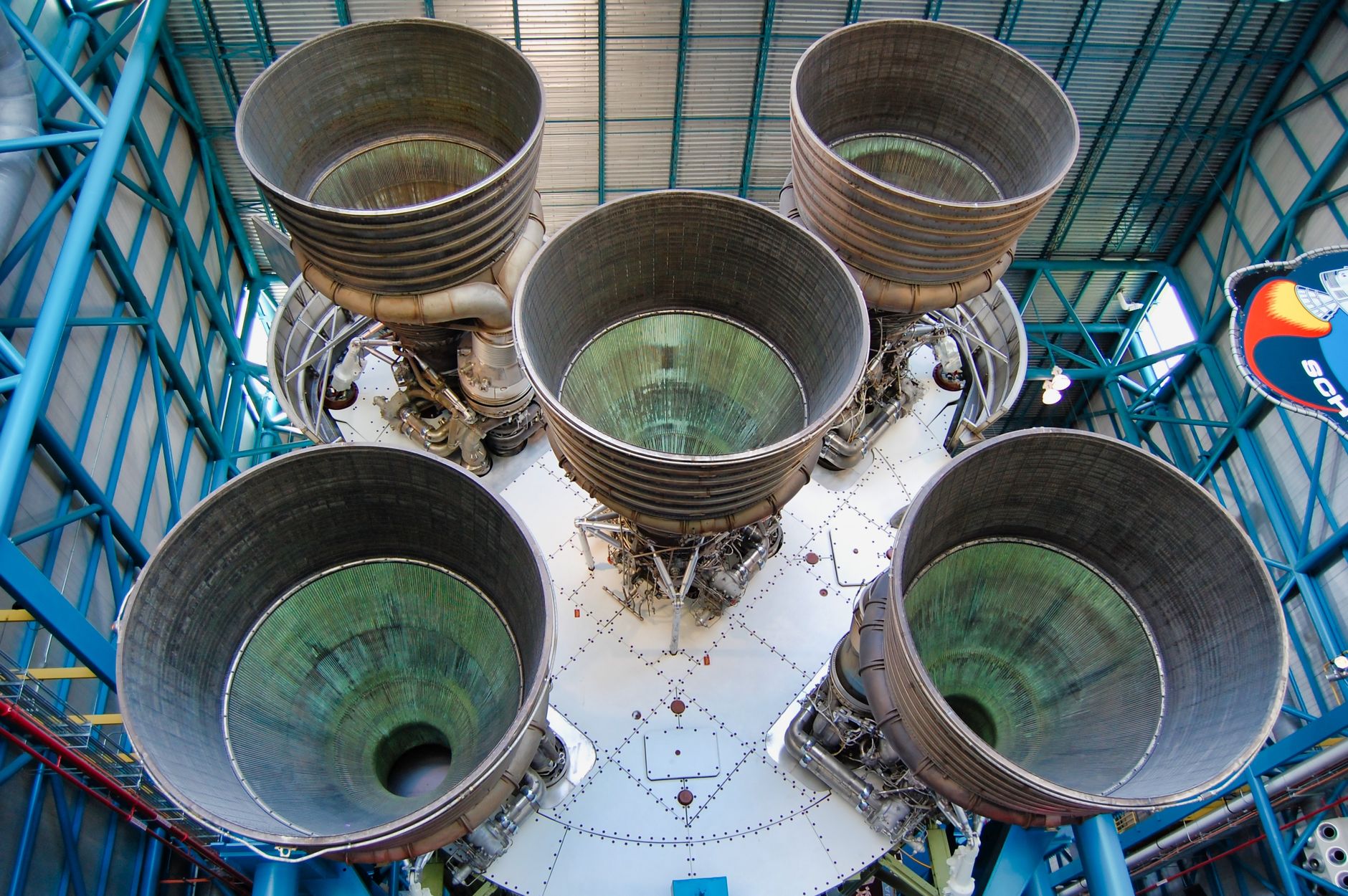
Launch US military satellites is a critical topic as seven companies have been approved, yet none are ready to take on this challenge. This raises questions about the future of military satellite deployment.
Current State of Military Satellites
The current landscape of military satellite launches is evolving, with several companies vying for the opportunity to launch US military satellites. As the demand for advanced technology grows, the competition has intensified. However, many of these companies face significant challenges that hinder their readiness.
- Limited Experience: Many approved companies lack the extensive track record required for military missions.
- Technological Gaps: Some manufacturers are still developing the necessary technology to compete effectively.
- Funding Issues: Financial constraints may delay progress and innovation in satellite launch capabilities.
While SpaceX remains a dominant player, the lack of readiness among other companies raises concerns about the future of launching US military satellites. As these obstacles persist, the military’s reliance on a single provider could become a strategic vulnerability.
Challenges in Satellite Launching
The launch of US military satellites presents a unique set of challenges that can complicate the process. Key issues include:
- Cost Overruns: Many companies struggle to keep expenses within budget, leading to expensive delays.
- Technological Limitations: Some providers lack the advanced technology necessary for reliable launches.
- Regulatory Hurdles: Navigating the complex landscape of government regulations can stall progress significantly.
- Availability of Launch Vehicles: A limited number of launch systems can create bottlenecks in scheduling.
- Dependence on a Single Provider: The reliance on a few companies, such as SpaceX, raises concerns about operational flexibility.
As the demand for launching US military satellites grows, addressing these challenges is crucial for national security.
SpaceX’s Dominance in the Market
In recent years, SpaceX has solidified its dominance in the market for launching US military satellites. With a proven track record and a fleet of reliable rockets, the company has become the go-to choice for the Department of Defense. However, this reliance raises concerns about the lack of viable alternatives.
Currently, seven companies are approved to launch US military satellites, yet none have demonstrated the capability to compete effectively with SpaceX. These companies face significant hurdles, including:
- High development costs
- Technological challenges
- Regulatory hurdles
- Limited availability of launch vehicles
As the military contemplates future needs, the absence of robust competition in the satellite launch sector poses a critical risk to national security.
Overview of Approved Companies
As the need to launch US military satellites grows, the Department of Defense has approved several companies to participate in satellite launches. However, an analysis reveals significant limitations in their capabilities.
- Northrop Grumman: While experienced, their launch services are primarily focused on their own projects and may not meet urgent military needs.
- United Launch Alliance (ULA): Known for reliability, but their costs remain high, potentially hindering competitive pricing.
- Rocket Lab: Aiming for smaller payloads, but their capacity for larger military satellites is insufficient.
- Blue Origin: Development is ongoing, yet their operational timeline does not align with immediate demands.
- Relativity Space: Innovative but unproven, raising concerns about their ability to deliver on schedule.
These companies present challenges that could delay the timely launch of critical military assets.
Future of Military Satellite Launches
The future of military satellite launches appears increasingly uncertain as the U.S. military seeks alternatives to SpaceX. While several companies have been approved to launch US military satellites, none are fully prepared to meet the stringent requirements set by the Department of Defense. This gap in readiness raises concerns about the reliability and security of future launches.
As the military grapples with these challenges, the focus shifts to potential solutions, which might include:
- Investment in new technologies: Developing innovative launch systems that can compete with established players.
- Partnerships with international firms: Collaborating with foreign companies to enhance capabilities.
- Increased funding for domestic programs: Supporting emerging companies to accelerate their readiness.
Ultimately, the U.S. military must navigate these complexities to ensure a robust future for satellite operations.
Technological Innovations in Aerospace
The landscape of aerospace technology is evolving rapidly, introducing various innovations that could reshape the launch of US military satellites. As the demand for advanced capabilities increases, several key technological trends are emerging.
- Reusable Rockets: Companies are investing in reusable rocket technology to reduce costs and improve launch frequency.
- Small Satellite Launch Systems: The rise of small satellites has led to the development of dedicated launch vehicles designed for rapid deployment.
- Advanced Propulsion Systems: New propulsion technologies promise to enhance payload capacity and minimize time spent in orbit.
Despite these advancements, the current options for launching US military satellites remain limited, raising concerns among defense analysts about dependency on a few key players.
Comparative Analysis of Launch Options
In assessing the launch options for US military satellites, it is crucial to consider the alternatives available in the current aerospace landscape. Each company presents distinct advantages and disadvantages that could impact mission success.
- United Launch Alliance (ULA): While ULA has a solid track record, their costs are significantly higher compared to newer entrants.
- Northrop Grumman: Although they offer innovative technology, their recent delays have raised concerns about reliability.
- Rocket Lab: This company focuses on small satellite launches, which may not align with the larger military satellite needs.
- Boeing: Despite their experience, they have faced challenges in adapting to the rapidly evolving market.
As military demands grow, exploring these options is essential for maintaining a competitive edge in launching US military satellites.
Among the least effective strategies to launch US military satellites would be relying solely on outdated technology that fails to meet current operational demands. Additionally, prioritizing cost over reliability can severely compromise missions intended to launch US military satellites.
Photo by Alejandro Quintanar on Pexels