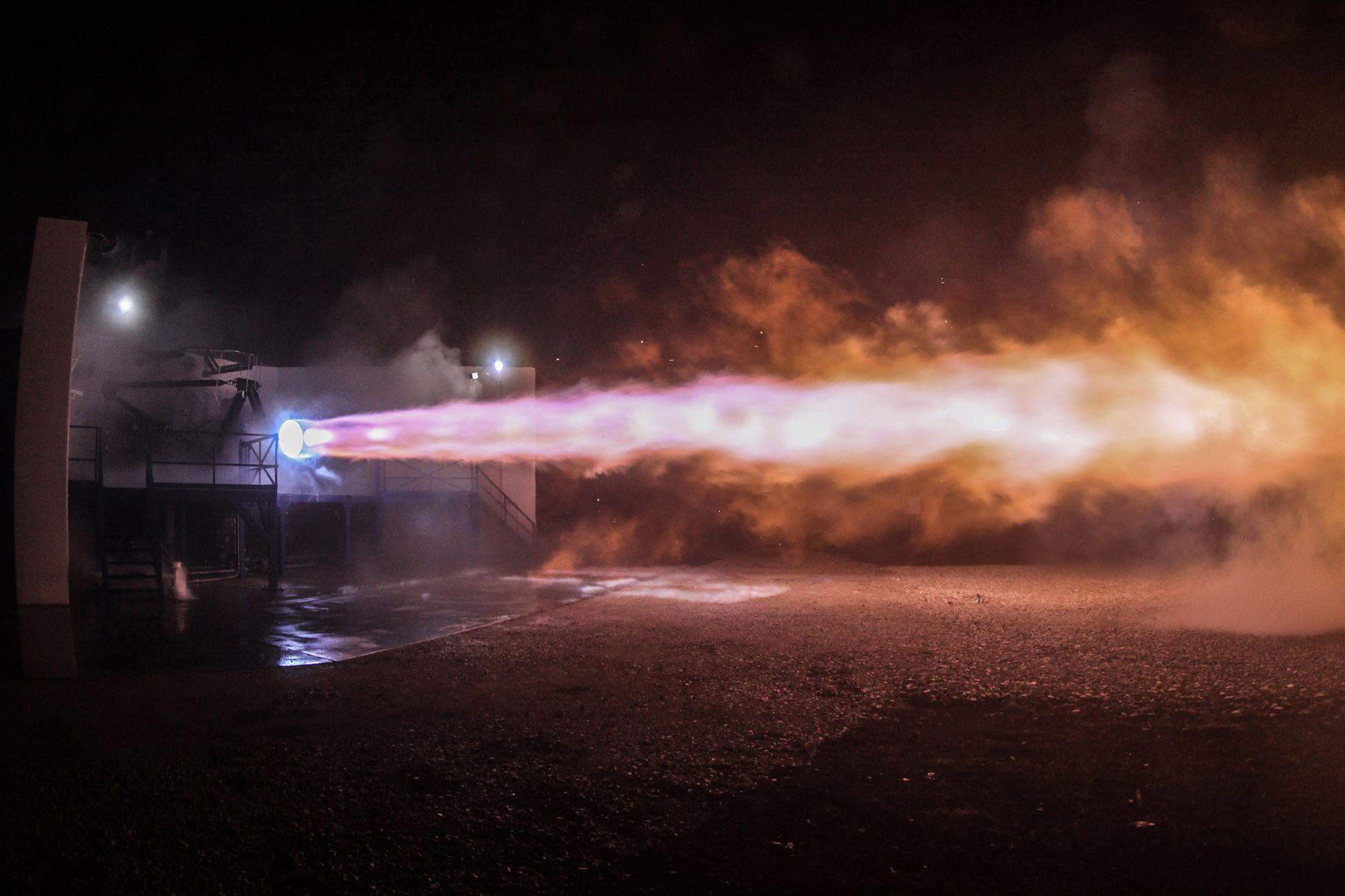
The Cryogenic engine test is a significant milestone for ISRO as it prepares for its next GSLV mission. This test demonstrates the agency’s commitment to advancing its space technology capabilities.
Overview of the Cryogenic Engine Test
The Indian Space Research Organisation (ISRO) has recently made significant strides in its space exploration efforts by conducting a crucial flight acceptance test of its cryogenic engine. This test marks a pivotal step in the development of the GSLV (Geosynchronous Satellite Launch Vehicle) series, aimed at enhancing India’s capabilities in satellite launches.
The cryogenic engine test is designed to validate the performance and efficiency of the engine under flight conditions. This technology is essential for launching heavier payloads into space, thereby increasing India’s competitive edge in the global space market.
- Enhanced Payload Capacity: The cryogenic engine allows for the launch of larger and more complex satellites, crucial for various applications.
- Technological Advancement: Successfully testing the cryogenic engine showcases ISRO’s commitment to advancing its technological capabilities.
- Cost Efficiency: Utilizing cryogenic technology can reduce the overall cost of satellite launches, making space access more affordable.
As ISRO continues to push the boundaries of space exploration, the cryogenic engine test stands as a promising indicator of future successes in its missions.
Importance of Cryogenic Technology in Space Missions
Cryogenic technology plays a crucial role in the success of modern space missions. This advanced propulsion system utilizes supercooled fuels and oxidizers, allowing rockets to achieve higher efficiency and performance compared to traditional engines. The recent Cryogenic engine test conducted by ISRO highlights the significance of this technology in enhancing India’s capabilities in space exploration.
One of the primary benefits of cryogenic engines is their ability to deliver greater thrust. This enables rockets to carry heavier payloads into orbit, expanding the possibilities for satellite deployment and interplanetary missions. Additionally, the use of cryogenic fuels results in reduced weight for the rocket, which is critical for maximizing payload capacity.
Furthermore, the ability to operate at extremely low temperatures improves the overall reliability and stability of the engine, which is essential for long-duration missions. As ISRO prepares for its next GSLV mission, advancements in cryogenic technology not only bolster India’s standing in the global space community but also pave the way for future explorations beyond Earth’s orbit.
In summary, the importance of cryogenic technology in space missions cannot be overstated, making the success of the cryogenic engine test a pivotal step for ISRO.
ISRO’s Goals for the Next GSLV Mission
The Indian Space Research Organisation (ISRO) is gearing up for its next GSLV mission, which aims to enhance its capabilities in launching heavier payloads into orbit. Central to this mission is the recent cryogenic engine test, which plays a crucial role in achieving ISRO’s ambitious goals.
ISRO’s objectives for the upcoming GSLV mission include:
- Increased Payload Capacity: The new cryogenic engine is designed to lift heavier satellites, enabling more extensive and sophisticated missions.
- Improved Performance: The efficiency of cryogenic technology promises better thrust-to-weight ratios, leading to more reliable launches.
- Cost-Effectiveness: By using indigenous technology, ISRO aims to reduce dependency on foreign launch vehicles, ultimately lowering the cost of space missions.
- International Collaborations: Successful implementation of the cryogenic engine test could open doors for more partnerships with other space agencies and commercial entities.
- Technological Advancements: Mastery of cryogenic technology could position ISRO as a leader in the global space sector.
With these goals in mind, the cryogenic engine test is a critical step for ISRO as it continues to push the boundaries of space exploration.
Recent Developments in Indian Space Exploration
In recent months, the Indian Space Research Organisation (ISRO) has made significant strides in its journey towards enhancing space exploration capabilities. A key highlight was the successful cryogenic engine test conducted for the upcoming Geosynchronous Satellite Launch Vehicle (GSLV) mission. This test represents a pivotal moment in India’s quest to master advanced propulsion technologies, which are crucial for launching heavier payloads into orbit.
During the flight acceptance test, engineers evaluated the engine’s performance under various conditions, ensuring it meets stringent requirements for reliability and efficiency. The success of this test is expected to bolster ISRO’s confidence as it prepares for future missions that demand high-performance engines.
Moreover, the developments surrounding the cryogenic technology align with ISRO’s long-term goals, which include launching more complex satellites and participating in interplanetary exploration missions. As the agency gears up for its next GSLV mission, the implications of this successful engine test could pave the way for more ambitious projects, enabling India to strengthen its position in the global space arena.
- Successful flight acceptance test of the cryogenic engine.
- Enhancements in payload capacity for future missions.
- Strategic alignment with ISRO’s long-term goals.
Challenges Faced by ISRO in Rocket Technology
The Indian Space Research Organisation (ISRO) has made significant strides in rocket technology, yet several challenges remain as it moves forward with its cryogenic engine test. These challenges can impact the timeline and success of future missions.
- Technical Expertise: Developing and managing cryogenic technology requires specialized knowledge. ISRO has been investing in training its engineers and scientists to ensure they have the necessary skills to operate and innovate.
- Funding and Resources: Advanced cryogenic engines are expensive to develop. Securing adequate funding and resources is crucial for ISRO to continue its research and development effectively.
- Reliability and Safety: Ensuring the reliability and safety of cryogenic engines is paramount. Any failure in these systems could jeopardize missions, making rigorous testing essential.
- International Competition: With nations like the US, Russia, and China advancing in space technology, ISRO faces pressure to keep pace. The successful implementation of cryogenic technology is vital to maintaining India’s competitive edge.
In conclusion, while the cryogenic engine test is a crucial step for ISRO, overcoming these challenges will determine the organization’s success in future space endeavors.
Future of Cryogenic Engines in Space Travel
The future of cryogenic engines in space travel looks promising as advancements in this technology continue to evolve. ISRO’s recent cryogenic engine test marks a significant milestone in its ambitious plans for upcoming missions.
As space agencies around the world invest in cryogenic technology, several factors are contributing to its growing importance:
- Increased Efficiency: Cryogenic engines utilize liquid propellants that offer higher performance compared to traditional options, enhancing payload capacity and reducing costs.
- Longer Mission Durability: The ability to store cryogenic fuels for extended periods allows for longer missions and more complex missions, including interplanetary exploration.
- International Collaboration: As countries collaborate on space missions, the expertise in cryogenic technology can facilitate shared knowledge and resources, propelling innovation forward.
However, the future of cryogenic engines will depend on addressing existing challenges, such as the complexities of engine design and the need for reliable materials that can withstand extreme temperatures. The successful outcomes of ISRO’s cryogenic engine test will play a crucial role in determining whether this technology can meet the demands of modern space exploration.
Public Interest in ISRO’s Space Programs
The recent cryogenic engine test conducted by ISRO has sparked significant public interest in the nation’s space programs. As India continues to advance its capabilities in space exploration, citizens are increasingly engaged and supportive of these initiatives. The successful testing of cryogenic technology is seen as a crucial step not only for the Indian Space Research Organisation (ISRO) but also for the country’s position in the global space race.
Many people recognize the importance of these developments for various reasons:
- Technological Advancements: The advancements in rocket technology might lead to numerous applications beyond space exploration, including satellite launches and global communications.
- National Pride: Successful missions boost national pride, encouraging young minds to pursue careers in science, technology, engineering, and mathematics (STEM).
- Economic Growth: A robust space program can stimulate economic growth by creating jobs and attracting investment in related sectors.
- International Collaboration: Enhanced capabilities could open doors for international partnerships, further elevating India’s stature in the global space community.
As ISRO prepares for its next GSLV mission, public enthusiasm remains a driving force behind its ambitious goals.
Photo by SpaceX on Pexels
Read the original
Wear OS music app: The Best Simple Solution for Tunes · Federal AI Bill: Hard Time Seeing Progress in Divided Government · Samsung Galaxy A08 A18: Best Specs and Features Revealed