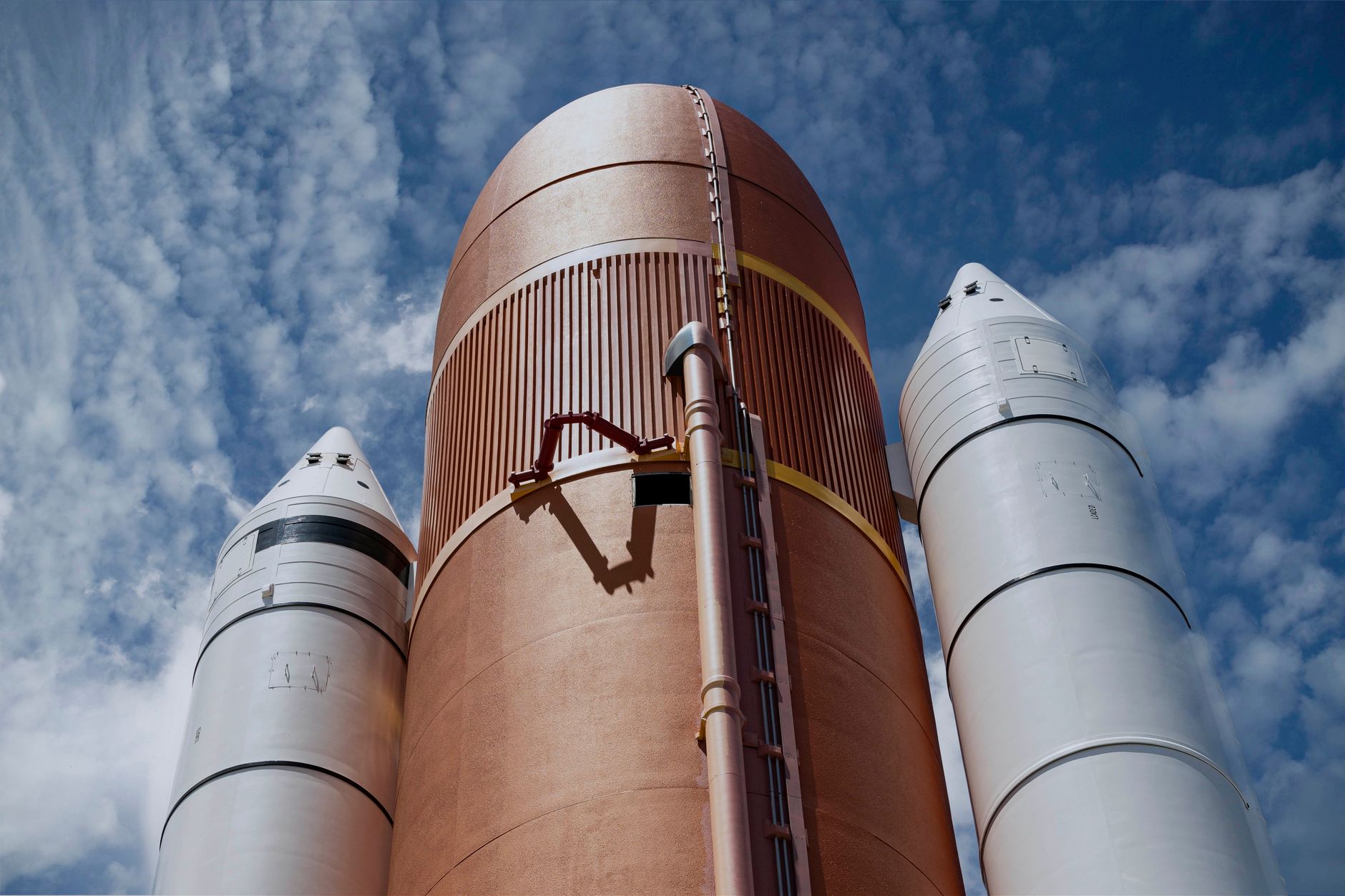
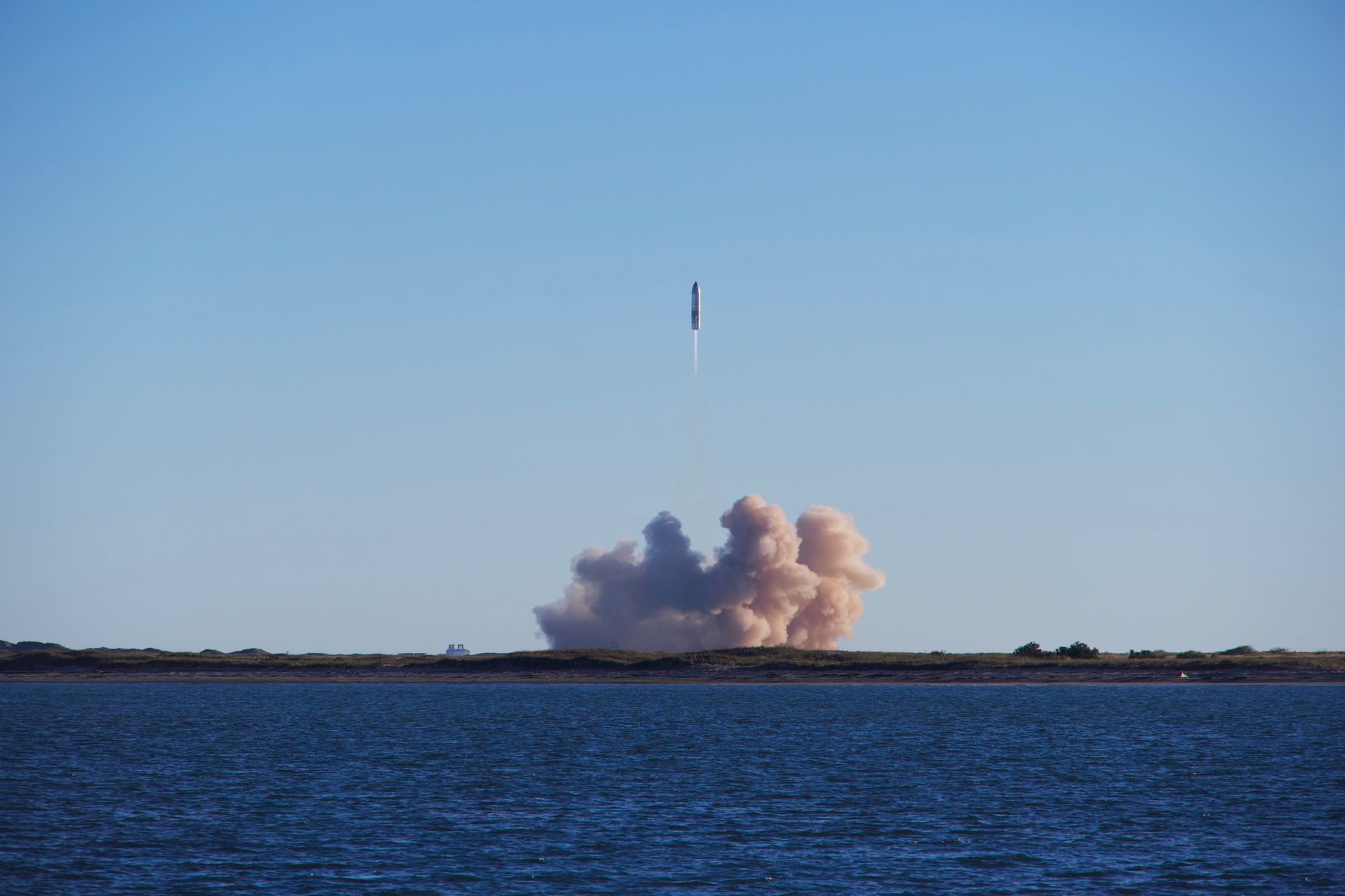
The Pak-China space mission is a significant achievement in the longstanding friendship between the two nations. This collaboration highlights their commitment to advancing space exploration together.
Overview of the Pak-China Space Mission
The Pak-China space mission represents a significant collaboration between Pakistan and China, showcasing the strength of their longstanding friendship. This joint endeavor aims to enhance scientific research and technological advancements in both countries.
According to Guo Jiakun, a prominent figure in the space sector, this mission is yet another important milestone in the growing partnership between the two nations. The collaboration is expected to yield numerous benefits, including:
- Enhanced Technological Exchange: Both countries will share knowledge and expertise in various fields, particularly in aerospace engineering.
- Scientific Research: The mission will facilitate collaborative research projects that may lead to groundbreaking discoveries.
- Economic Growth: By investing in space exploration, both nations aim to boost their economies and create new job opportunities.
As the Pak-China space mission progresses, it is anticipated to strengthen ties between the two countries while positioning them as key players in the global space arena.
Significance of International Space Cooperation
The significance of international space cooperation is increasingly recognized in today’s interconnected world. The Pak-China space mission exemplifies the potential benefits that arise from collaborative efforts in space exploration. Such partnerships not only enhance scientific research but also foster diplomatic ties between nations.
Through joint missions, countries can:
- Share resources: Collaborative projects allow nations to pool financial and technological resources, making ambitious missions more feasible.
- Enhance research capabilities: Diverse expertise contributes to innovative solutions and advancements in technology, benefiting all parties involved.
- Strengthen geopolitical ties: Space missions can serve as a platform for countries to build trust and cooperation, leading to stronger bilateral relationships.
- Inspire future generations: Joint initiatives in space can motivate young minds to pursue careers in science, technology, engineering, and mathematics (STEM).
As the Pak-China space mission unfolds, it may serve as a model for future collaborations, demonstrating how nations can come together to achieve common goals beyond Earth.
Guo Jiakun’s Insights on the Mission
Guo Jiakun, a prominent figure in the field of space exploration, recently shared his views on the Pak-China space mission, emphasizing its importance in fostering international collaboration. He noted that this mission is not just a technological achievement but also a testament to the longstanding friendship between Pakistan and China.
During a press conference, Guo highlighted several key aspects of the mission:
- Strengthening Ties: He pointed out that the joint efforts in space technology reflect deep-rooted diplomatic relations.
- Technological Exchange: The collaboration allows both nations to share expertise and resources, resulting in mutual growth.
- Future Prospects: Guo expressed optimism about upcoming projects, suggesting that this mission could pave the way for further ventures in space exploration.
He concluded by stating that the Pak-China space mission represents a significant milestone in the journey of both nations, reinforcing their commitment to explore the final frontier together.
Technological Advancements in Space Exploration
The Pak-China space mission represents a significant leap forward in technological advancements in space exploration. This collaborative effort highlights the growing capabilities of both nations in the realm of aerospace technology. Through shared expertise and resources, Pakistan and China aim to enhance their satellite technology and space research initiatives.
Key advancements include:
- Satellite Development: The mission will focus on developing advanced satellites that can improve communication, weather forecasting, and disaster management.
- Launch Vehicle Technology: Enhanced launch vehicles will be developed to increase payload capacity and reduce launch costs.
- Research Collaboration: Joint research programs will facilitate knowledge sharing and innovation in space science.
Moreover, the Pak-China space mission underscores the importance of integrating cutting-edge technologies, such as artificial intelligence and machine learning, into space exploration efforts. As both countries work together, they not only strengthen their technological prowess but also set a precedent for future international collaborations in space, making this mission a pivotal milestone in their ongoing partnership.
Future Prospects for Pak-China Relations
The future of Pak-China relations looks promising as both nations continue to collaborate on innovative projects, particularly in the realm of space exploration. The recent Pak-China space mission has not only solidified their partnership but also opened doors for further joint ventures in technology and research.
As both countries aim to strengthen their ties, several factors may influence the trajectory of their collaboration:
- Increased Investment: Both nations are likely to increase their financial commitment to future space projects, fostering innovation and development.
- Knowledge Sharing: Joint missions facilitate an exchange of expertise and technology, which can benefit both parties immensely.
- Regional Stability: A successful Pak-China space mission can enhance their strategic alliance, potentially influencing regional dynamics in favor of collaboration.
- Global Leadership: Together, they can position themselves as leaders in space exploration, challenging existing powers and promoting peaceful uses of outer space.
In conclusion, the Pak-China space mission signifies more than just a scientific endeavor; it represents a deepening friendship that holds substantial potential for the future.
Challenges Facing Joint Space Missions
The Pak-China space mission, while a significant achievement, faces several challenges that could impact its success. Both countries must navigate complex technical, financial, and political landscapes to ensure effective collaboration.
- Resource Allocation: Joint missions require substantial investment. Ensuring adequate funding and resource distribution between Pakistan and China is crucial for the mission’s sustainability.
- Technological Integration: Merging different technologies poses a challenge. Each nation has its own systems and protocols, which must be harmonized to facilitate seamless operations.
- Regulatory Hurdles: International space regulations can complicate joint missions. Both countries need to address legal and regulatory standards to operate effectively in space.
- Geopolitical Factors: The changing geopolitical landscape may influence collaboration. Maintaining a stable relationship amidst external pressures is vital for the success of the Pak-China space mission.
Despite these challenges, the commitment from both nations reflects their dedication to advancing space exploration and fostering stronger ties. Success in overcoming these obstacles could pave the way for future joint endeavors.
Conclusion: The Impact of Collaboration
In conclusion, the Pak-China space mission represents not just a technological achievement, but also a significant step forward in international collaboration. This partnership underscores the potential of joint ventures in space exploration, fostering relationships that extend beyond mere scientific pursuits.
The collaboration between Pakistan and China is poised to yield numerous benefits, including:
- Knowledge sharing: Both nations can leverage each other’s expertise to enhance their respective space programs.
- Innovation: Joint projects stimulate technological advancements that can lead to groundbreaking discoveries.
- Global positioning: A united front in space exploration amplifies their presence and influence on the global stage.
- Economic benefits: Increased investment in space technology can spur economic growth and create job opportunities.
As the world watches, the success of the Pak-China space mission could set a precedent for future collaborations among developing nations, proving that cooperative efforts can lead to remarkable achievements in the realm of space exploration.