ULA rocket failure occurred after liftoff, resulting in the destruction of 40 Amazon Leo satellites. This incident raises questions about future missions and reliability in space travel.
What Happened During the Launch?
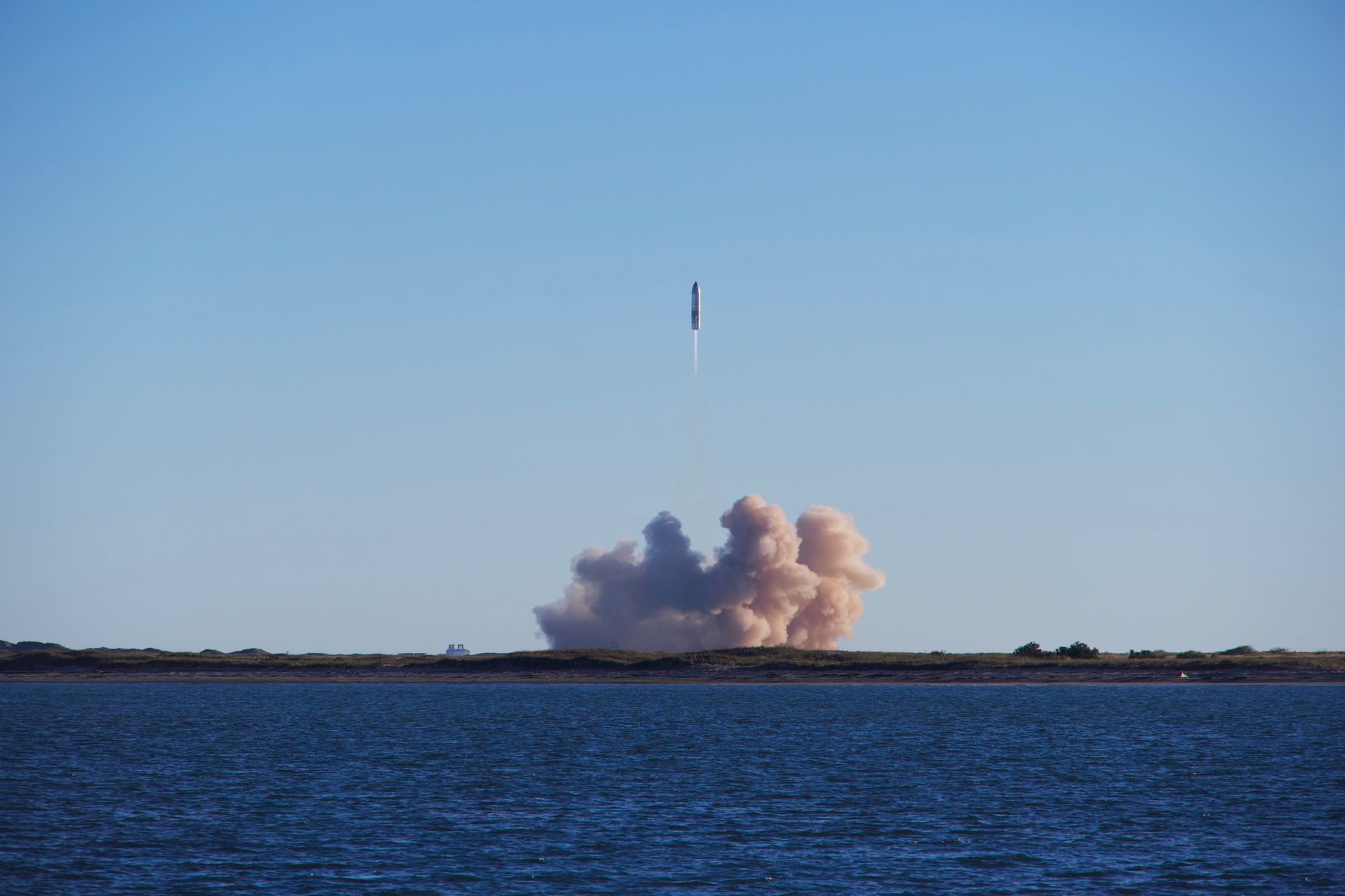
During the recent launch of a United Launch Alliance (ULA) rocket, a critical failure occurred shortly after liftoff, resulting in the destruction of 40 Amazon Leo satellites. The mission was intended to deploy a new generation of satellites aimed at enhancing global internet connectivity.
The rocket lifted off successfully but experienced an anomaly approximately two minutes into its flight. Ground control lost contact with the vehicle as it began to veer off its intended trajectory. Despite initial assurances from ULA that the launch was proceeding smoothly, it soon became clear that there was a significant issue.
Investigations into the ULA rocket failure are already underway, with teams analyzing telemetry data and reviewing pre-launch checks. This incident raises questions about the reliability of the technology being used for such crucial missions, especially with the increasing demand for satellite services.
As the aerospace community processes the implications of this failure, ULA has emphasized its commitment to learning from the incident to prevent future occurrences. Stakeholders are particularly concerned about how this setback will affect Amazon’s timeline for deploying its satellite constellation.
Impact on Amazon’s Satellite Plans
The recent ULA rocket failure has significant implications for Amazon’s ambitious satellite plans. The loss of 40 Amazon Leo satellites during the launch has disrupted the company’s timeline for expanding its satellite internet service, Project Kuiper. This setback not only delays the deployment of essential infrastructure but also raises questions about the reliability of the launch provider.
Amazon had envisioned providing broadband internet to underserved areas through these satellites, and the failure complicates efforts to compete with rivals such as SpaceX’s Starlink. Analysts note that the incident highlights the risks inherent in satellite deployment, particularly for new entrants in the space industry.
Moving forward, Amazon will likely need to reassess its launch strategy. Some potential actions include:
- Exploring partnerships with other launch providers.
- Investing in additional in-house launch capabilities.
- Implementing further testing and quality assurance protocols for satellite design.
The ULA rocket failure serves as a critical reminder of the challenges in space technology, and Amazon’s response will be closely watched by industry stakeholders.
Reactions from the Space Community
The recent ULA rocket failure has sent shockwaves through the space community, prompting reactions from various stakeholders. Industry experts and companies involved in satellite technology are particularly concerned about the implications for future launches.
Many in the space sector have expressed their disappointment over the incident. Dr. Emily Carter, a prominent aerospace engineer, stated, “This failure not only affects ULA but also raises questions about the reliability of current launch systems.”
Additionally, several companies that had planned to collaborate with Amazon on its satellite network voiced their concerns. Mark Thompson, a satellite communications specialist, emphasized, “The loss of 40 satellites in one launch is a significant setback for the entire industry, as it disrupts progress in low Earth orbit communications.”
Despite the setback, some remain optimistic about future missions. John Harris, a veteran space analyst, noted, “Failures are part of the journey in aerospace. ULA will learn from this incident and improve their processes moving forward.”
As the investigation into the ULA rocket failure unfolds, the space community is rallying to support continued innovation and resilience in the industry.
Future of ULA’s Launch Schedule
The recent ULA rocket failure has raised significant concerns about the future of the company’s launch schedule. Following the incident that resulted in the loss of 40 Amazon Leo satellites, ULA must now reassess its upcoming missions to restore confidence among clients and stakeholders.
ULA’s immediate focus will be on conducting a thorough investigation to determine the root cause of the failure. This process is expected to take several weeks, during which time all scheduled launches may be delayed. Industry experts suggest that ULA may need to implement additional testing protocols and safety measures to prevent such incidents in the future.
Furthermore, the failure could impact ULA’s competitive standing in the launch market, where reliability is paramount. The company may need to work closely with its clients, including Amazon, to address concerns and provide updates on revised timelines.
Looking ahead, ULA is also under pressure to expedite the development of its next-generation rockets, which are crucial for maintaining its position in a rapidly evolving space industry. Stakeholders will be closely monitoring ULA’s response to this setback as the company navigates the challenges ahead.
Technical Analysis of the Failure
The recent ULA rocket failure has raised significant concerns regarding the technical aspects of the launch. Initial assessments indicate that a critical anomaly occurred shortly after liftoff, leading to the loss of 40 Amazon Leo satellites. This incident highlights several key factors that contributed to the failure.
- Engine Performance: Preliminary investigations suggest that one of the rocket’s main engines may have experienced a malfunction, impacting thrust levels.
- Structural Integrity: There are indications that the vehicle’s structural integrity faced challenges during ascent, possibly due to unforeseen aerodynamic forces.
- Telemetry Data: The telemetry data collected during the launch is being analyzed to pinpoint the exact moment of failure. This data will be crucial for understanding the sequence of events that led to the incident.
- Launch Pad Environment: Environmental factors, including wind conditions and temperature variations, are also under scrutiny, as they could have played a role in the rocket’s performance.
Moving forward, ULA is expected to implement rigorous testing and review processes to prevent similar failures in future launches.
Lessons Learned from This Incident
The recent ULA rocket failure has prompted a thorough examination of the events leading up to the incident. Several lessons can be drawn from this mishap that could influence future launches.
- Enhanced Pre-Launch Checks: One primary takeaway is the necessity for more rigorous pre-launch inspections. Ensuring that every component meets strict standards can mitigate risks.
- Improved Communication: Clear and timely communication among teams is vital. The incident highlighted the need for better coordination between engineering, operations, and mission control personnel.
- Data Analysis: Comprehensive data collection during the flight can provide invaluable insights into failure modes. Future missions should prioritize real-time monitoring to quickly identify anomalies.
- Adaptability in Design: The ULA rocket failure suggests a need for flexibility in design modifications. Incorporating lessons learned from this incident can help in making necessary adjustments to prevent recurrence.
- Stakeholder Engagement: Engaging stakeholders, including customers like Amazon, in the post-failure analysis can foster transparency and rebuild confidence in ULA’s launch capabilities.
Addressing these lessons will be critical as ULA strives to enhance its reliability and restore faith in its launch schedule.
What’s Next for Satellite Deployments?
The recent ULA rocket failure has raised significant questions about the future of satellite deployments, particularly for Amazon’s ambitious plans. Despite the setback, experts are optimistic about the long-term trajectory of satellite launches.
In light of the incident, stakeholders are actively reassessing their strategies. The following points outline what to expect moving forward:
- Revised Launch Timelines: Companies involved in satellite deployments may need to adjust their schedules to accommodate the delays caused by the ULA rocket failure.
- Increased Scrutiny: Future launches will likely face heightened scrutiny regarding safety protocols and technical checks to prevent similar incidents.
- Alternative Launch Options: Organizations may consider diversifying their launch partners to mitigate risks associated with relying solely on ULA.
- Investment in Technology: There may be a push for advancements in launch technology, focusing on reliability and efficiency.
As the industry adapts, it will be crucial to monitor how these changes influence upcoming satellite deployments and the broader landscape of space exploration.
Photo by john mckenna on Pexels