Nvidia RTX 6000 release has sparked rumors that may not bode well for gamers. Recent reports suggest disappointing news surrounding the anticipated graphics card.
Overview of the Nvidia RTX 6000
The Nvidia RTX 6000 release has generated significant buzz in the gaming community, but the news is not all positive. As rumors swirl about the specifications and performance of this new graphics card, many gamers are left wondering how it will impact their gaming experience.
One of the primary concerns surrounding the RTX 6000 is its pricing, which is expected to be higher than previous generations. This could place it out of reach for many casual gamers. Additionally, early reports suggest that the performance gains may not be as substantial as anticipated, leading to questions about whether the upgrade is worth the investment.
Furthermore, the release coincides with ongoing supply chain issues that have plagued the tech industry, which may affect availability. As a result, gamers may face challenges in obtaining the new hardware, even if they decide to invest in it.
In summary, while the Nvidia RTX 6000 release could offer advanced features and improved capabilities, the combination of high costs and potential accessibility issues has left many in the gaming community feeling apprehensive about the future of their gaming setups.
What to expect from AMD RDNA 5
As the gaming community eagerly awaits the Nvidia RTX 6000 release, attention has also turned to AMD’s upcoming RDNA 5 architecture. This new generation of GPUs promises several enhancements that could reshape the competitive landscape.
One of the most anticipated features of the RDNA 5 is its improved efficiency. AMD aims to deliver higher performance per watt, allowing gamers to enjoy superior graphics without the need for excessive power consumption. This could be a game-changer for those who prioritize both performance and energy savings.
Additionally, AMD is expected to enhance ray-tracing capabilities, making it a more viable competitor against Nvidia’s offerings. With more titles embracing advanced lighting techniques, having robust ray-tracing support will be crucial for attracting gamers.
Moreover, the RDNA 5 architecture is rumored to include:
- Increased memory bandwidth for smoother gameplay
- AI-driven performance optimizations to enhance gaming experiences
- Support for next-gen features that could set new standards in graphics quality
As Nvidia prepares for the RTX 6000 release, AMD’s RDNA 5 may pose a significant challenge, potentially shifting the dynamics of the GPU market.
Impact of GPU releases on gaming
The release of new graphics processing units (GPUs) has a significant impact on the gaming landscape, influencing performance, pricing, and availability. The Nvidia RTX 6000 release has generated considerable buzz, but it also raises questions about its potential repercussions for gamers.
As the demand for high-performance gaming hardware continues to rise, the arrival of new GPUs often coincides with price fluctuations that can leave many enthusiasts frustrated. Key points to consider include:
- Supply Chain Constraints: Ongoing issues have made it difficult for manufacturers to meet the rising demand, leading to potential shortages.
- Price Increases: With the Nvidia RTX 6000, gamers may face higher costs as companies adjust prices based on demand and availability.
- Performance Expectations: Gamers hope for significant improvements, but if the RTX 6000 falls short, it may lead to disappointment among the community.
- Impact on Older Models: The release of the RTX 6000 could further devalue existing GPUs, complicating upgrade paths for those unwilling to invest in the latest technology.
Overall, while new releases like the Nvidia RTX 6000 promise advancements, they also present challenges that could dampen the gaming experience for many players.
Market trends in graphics cards
The recent rumors surrounding the Nvidia RTX 6000 release have sparked significant discussion among gamers and industry analysts alike. As the demand for high-performance graphics cards continues to rise, market trends indicate a shift in consumer preferences and expectations.
Key observations in the current landscape include:
- Price Increases: The cost of graphics cards has surged, making it increasingly difficult for average consumers to afford the latest technology.
- Supply Chain Challenges: Ongoing supply chain disruptions have led to limited availability of new models, contributing to inflated prices and long wait times.
- Competitive Pressure: With AMD’s RDNA 5 on the horizon, Nvidia faces mounting pressure to deliver innovative features and better performance to maintain its market dominance.
- Shift to Cloud Gaming: Some gamers are turning to cloud gaming solutions, which could impact traditional graphics card sales as more users opt for subscription-based services.
As the Nvidia RTX 6000 release approaches, it remains to be seen how these trends will affect not just the market, but also the gaming experience for countless players worldwide.
Consumer reactions to the news
Consumer reactions to the Nvidia RTX 6000 release have been mixed, with many gamers expressing disappointment over the announcement. As rumors circulated about the new graphics card, expectations were high, but the final reveal left some feeling underwhelmed.
Many enthusiasts took to social media to voice their frustrations. Key concerns included:
- Price Point: Several gamers noted that the anticipated pricing for the RTX 6000 is significantly higher than expected, leading to fears of accessibility for the average consumer.
- Performance vs. Value: Critics argue that while the RTX 6000 may offer impressive specifications, the performance gains do not justify the costs, particularly in an already saturated market.
- Competition with AMD: With AMD RDNA 5 on the horizon, many are questioning whether Nvidia can maintain its dominance, leading to a sense of uncertainty among consumers.
In light of these reactions, some gamers are left wondering if the Nvidia RTX 6000 release marks a turning point in the graphics card market, potentially leading to a shift in consumer loyalty.
Future of gaming technology
The future of gaming technology is facing significant uncertainties with the recent Nvidia RTX 6000 release. As graphics card capabilities evolve, so too do the expectations of gamers and developers alike. The RTX 6000 promises advancements in rendering and performance, yet it also raises concerns about accessibility and affordability.
With the focus shifting towards high-end graphics processing, game developers may feel pressured to create content that demands more powerful hardware. This could lead to a widening gap between casual gamers and those who invest in the latest technology. The implications of the Nvidia RTX 6000 release may steer many gamers towards a cycle of constant upgrades, potentially alienating a portion of the gaming community.
Moreover, the anticipated competition from AMD’s RDNA 5 architecture could further complicate the landscape. As both companies strive to push the boundaries of performance, gamers must navigate an increasingly complex market characterized by rapid advancements and fluctuating prices.
In this environment, it remains crucial for consumers to stay informed and make strategic decisions about their hardware investments, balancing performance needs with budget constraints.
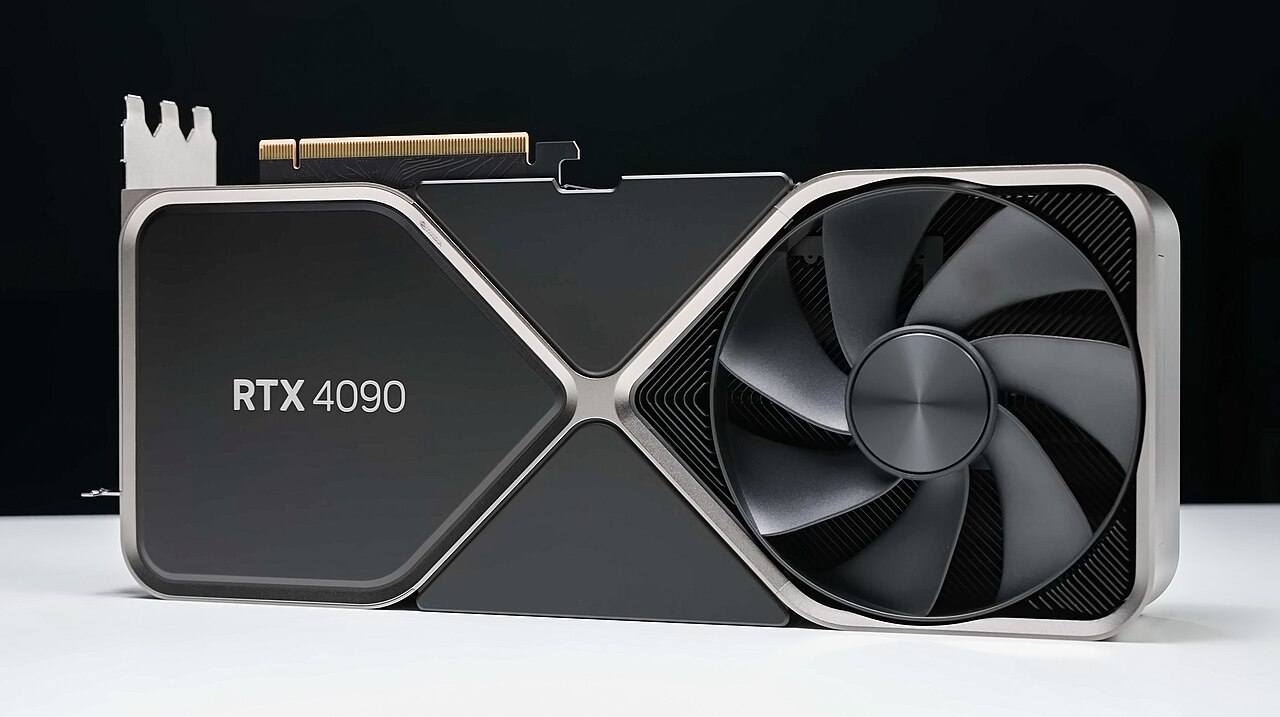
via Wikimedia Commons