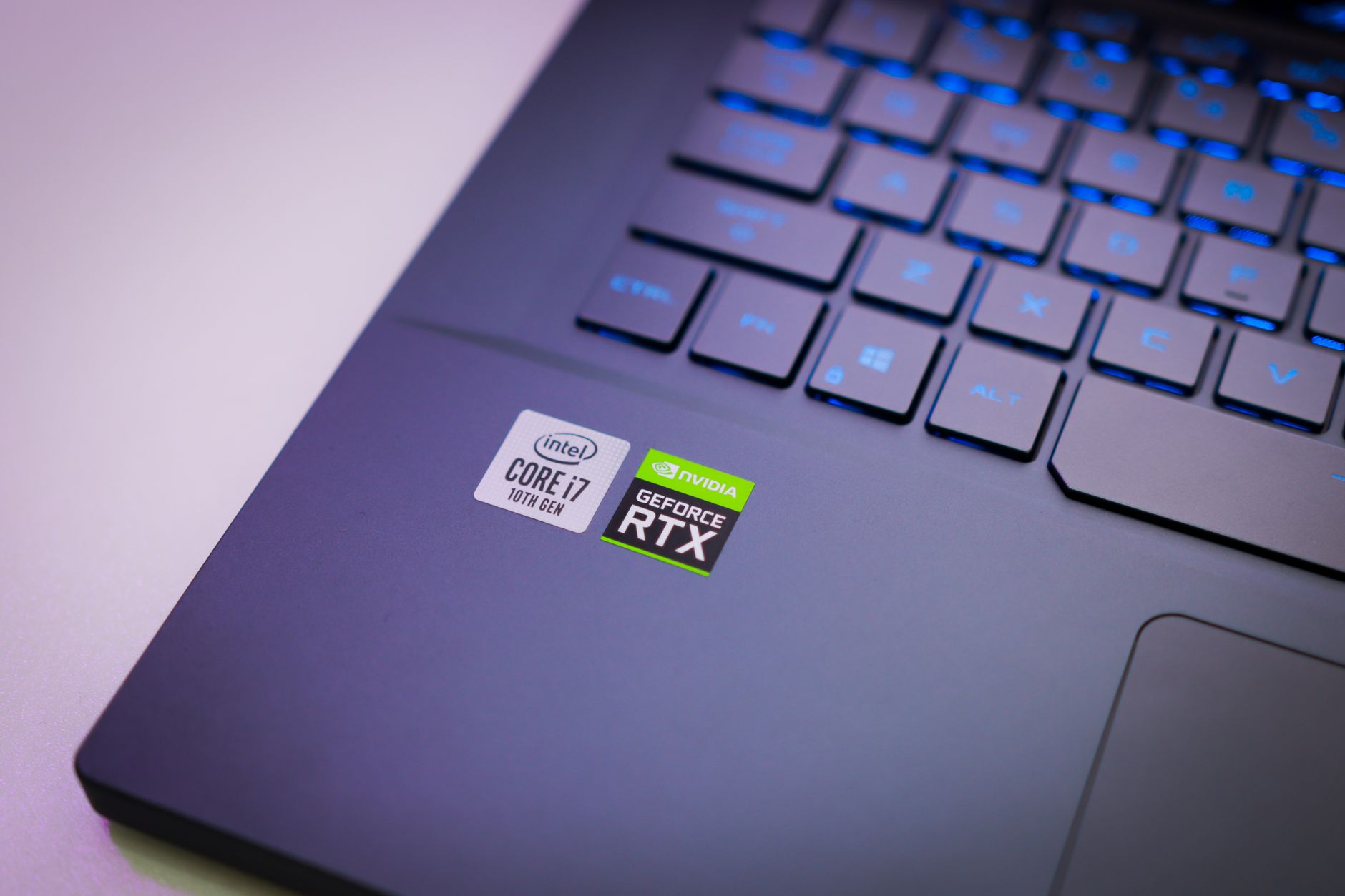
AI chip exports to China are becoming more restricted as Taiwan tightens regulations. This move is part of a broader strategy influenced by US trade policies.
Overview of Taiwan’s New Export Regulations
Taiwan has announced new export regulations that will significantly impact the flow of AI chips to China, aligning its policies with the guidelines set forth in a recent trade deal with the United States. This decision comes amid rising concerns over national security and the potential military applications of advanced semiconductor technology.
The new regulations are designed to ensure that sensitive technologies do not fall into the hands of adversarial nations. Key points of the export controls include:
- Increased Licensing Requirements: Exporters will now need to obtain licenses for shipments of specific AI chips to China, making it more challenging for companies to engage in trade.
- Focus on Advanced Technologies: The regulations specifically target high-performance chips that are crucial for AI applications, reflecting the emphasis on controlling cutting-edge technology.
- Strengthened Enforcement Mechanisms: Taiwan plans to enhance its enforcement capabilities to monitor compliance with these new rules, ensuring that unauthorized exports do not occur.
Industry experts believe that these measures could reshape the landscape of AI chip exports to China, potentially limiting the country’s access to critical technology. As Taiwanese companies navigate these changes, the implications for global supply chains and international relations remain to be seen.
Impact of US Trade Deal on AI Chips
The recent US trade deal has significant implications for the semiconductor industry, particularly concerning AI chip exports to China. Taiwan, a crucial player in the global semiconductor supply chain, is tightening its regulations on AI chip exports to align with the new policies. This move is expected to reshape the competitive landscape for technology firms operating in the region.
Analysts believe that the impact of these export restrictions may ripple through various sectors, influencing both technological advancement and economic relationships. Some of the key effects include:
- Increased costs: Companies may face higher production costs as they adjust to new compliance measures and seek alternative markets.
- Supply chain disruptions: The tightening of export controls could lead to delays and shortages, affecting businesses reliant on AI technologies.
- Innovation slowdown: With restricted access to advanced AI chips, Chinese firms may struggle to keep pace with global innovation trends.
- Market realignment: Companies may refocus their strategies, exploring partnerships or investments in countries with less stringent export regulations.
While the deal aims to protect US technological superiority, it is crucial to consider the long-term consequences for the semiconductor industry and global markets. The balance between security and innovation will remain a critical discussion point as stakeholders navigate this complex landscape.
AI Chip Exports to China: What to Expect
The recent developments surrounding AI chip exports to China have raised significant concerns among industry stakeholders. As Taiwan implements tighter regulations, the landscape of semiconductor trade is expected to shift dramatically. Industry experts suggest that these changes will not only affect the flow of technology into China but also reshape the competitive dynamics among global players.
In the coming months, we can anticipate several key trends:
- Increased Compliance Costs: Companies involved in the production and export of AI chips may face higher compliance costs as they adapt to new regulations and ensure they meet the standards set forth by the Taiwanese government.
- Shift in Supply Chains: As restrictions tighten, manufacturers might seek alternative markets or suppliers to mitigate risks associated with exporting to China. This could lead to a more diversified supply chain.
- Heightened Competition: With fewer AI chips available for export to China, domestic companies may ramp up their R&D efforts to fill the gap, intensifying competition within the tech industry.
- Global Trade Tensions: The implications of these export regulations could exacerbate existing trade tensions, particularly between the US and China, as both nations vie for technological supremacy.
Overall, the evolving regulations on AI chip exports to China will likely lead to significant shifts in the market, requiring businesses to stay agile and informed about ongoing changes.
Responses from the Tech Industry
The recent announcement by Taiwan to tighten AI chip exports to China has sparked a variety of reactions from the tech industry. Many industry leaders express concern over the potential implications for innovation and competitiveness in the global market.
Some tech executives believe that restricting AI chip exports to China could hinder the progress of artificial intelligence technologies. John Lee, CEO of a leading semiconductor firm, stated, “While national security is crucial, we must also consider the collaborative potential that international partnerships can offer. Limiting access could slow down advancements that benefit everyone.”
On the other hand, proponents of the new regulations argue that tighter controls are necessary to protect intellectual property and maintain a technological edge. Jane Kim, a cybersecurity analyst, emphasized, “The risks of sensitive technologies falling into the wrong hands are real. These measures are a step in the right direction for safeguarding our innovations.”
Analysts anticipate that the shift in policy may lead to a reevaluation of supply chains and investment strategies within the industry. Companies may seek to diversify their markets or accelerate research and development efforts in AI technologies that comply with the new regulations.
As the situation unfolds, the tech industry remains divided, grappling with the complexities of balancing security concerns with the need for collaboration in the rapidly evolving landscape of AI chip exports to China.
Future of AI Chip Production
The future of AI chip production is poised for significant transformation as countries reassess their export policies, particularly concerning AI chip exports to China. With recent developments in regulations, especially from Taiwan, the global landscape for semiconductor manufacturing is becoming increasingly complex.
As nations strive to maintain technological superiority, the demand for advanced AI chips is surging. This trend is driven by various sectors, including automotive, healthcare, and consumer electronics, all seeking to leverage artificial intelligence for enhanced performance and innovation. However, the tightening of export regulations is likely to create challenges for manufacturers who rely on international markets.
In response to the new export policies, companies are exploring alternative strategies to maintain their market presence. Some key considerations include:
- Diversification of Supply Chains: Manufacturers may look to establish production facilities in countries with more favorable trade relations.
- Investment in R&D: Increased funding for research and development could lead to breakthroughs that mitigate reliance on external suppliers.
- Collaboration and Partnerships: Forming alliances with other tech firms may enhance resource sharing and innovation.
Ultimately, the direction of AI chip production will hinge on the interplay between regulatory frameworks and market demands. Stakeholders must navigate these challenges carefully to secure their position in the rapidly evolving tech landscape.
Analysis of Global Semiconductor Market Trends
The global semiconductor market is experiencing significant shifts, particularly concerning AI chip exports to China. As countries reevaluate their trade policies in response to technological advancements and geopolitical tensions, the semiconductor landscape is becoming increasingly complex.
Several key trends are emerging in the market:
- Increased Regulation: Countries are implementing stricter regulations on technology exports, particularly concerning advanced AI chips. This is evident in Taiwan’s recent decision to tighten export controls on AI chips to China.
- Geopolitical Tensions: The ongoing trade disputes between the US and China have prompted nations to reconsider their alliances and trade agreements, affecting the flow of semiconductors worldwide.
- Technological Innovation: Despite the challenges, there is a surge in innovation within the semiconductor industry. Companies are investing heavily in R&D to develop more advanced chips that can meet the growing demand for AI applications.
- Market Consolidation: We are witnessing a trend toward consolidation among semiconductor companies as they aim to enhance their competitive edge and expand their market reach.
As the global semiconductor market evolves, stakeholders must navigate these challenges while considering the implications of AI chip exports to China. The strategic decisions made now will likely shape the industry for years to come.
The debate surrounding AI chip exports to China is intensifying, with various stakeholders weighing the potential economic benefits against national security concerns. Policymakers must carefully consider the implications of AI chip exports to China to ensure a balanced approach that safeguards innovation while addressing geopolitical risks.
Photo by Markus Winkler on Pexels
Sources
Related stories
Active Debris Removal Mission: ClearSpace’s Groundbreaking Launch · Nvidia RTX Spark: The Best New Laptop Option for Gamers · Redmi Clip Neo earbuds: The Best Simple Audio Solution