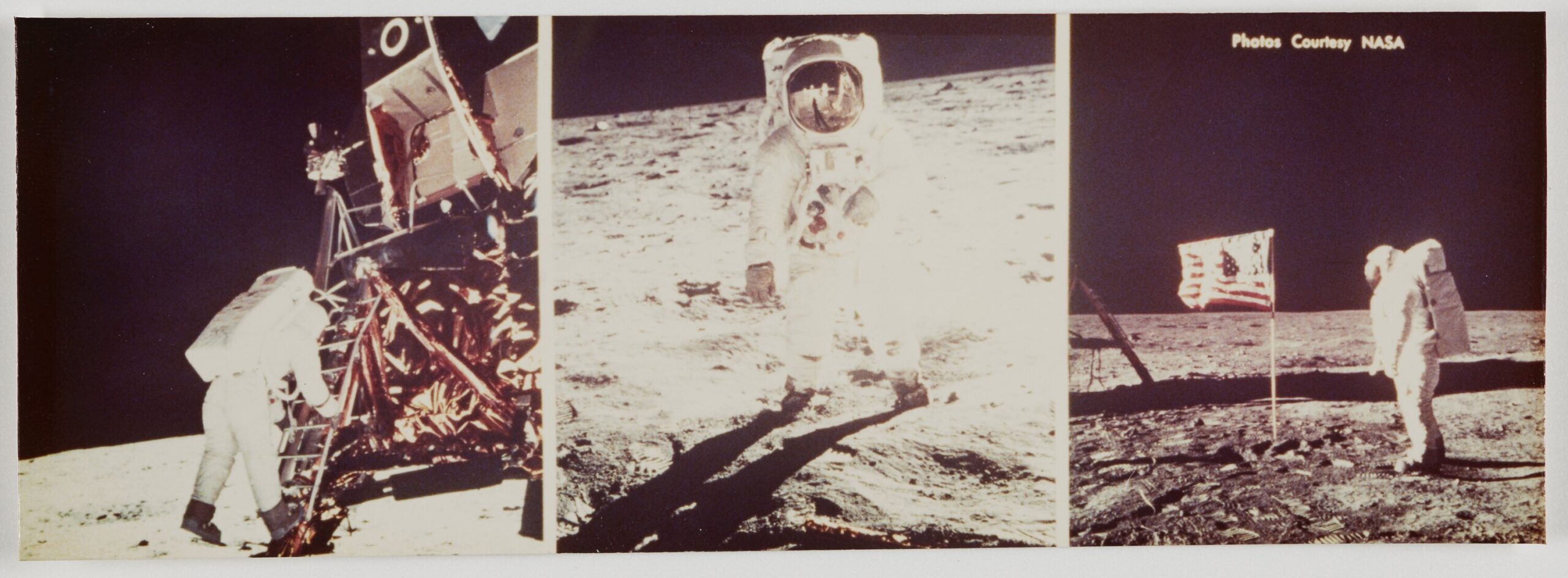
independent astronaut launch capabilities are crucial for Europe’s future in space exploration. The European Space Agency (ESA) is currently evaluating a €10 billion plan to achieve this goal, aiming for enhanced autonomy in launching astronauts.
Overview of ESA’s €10bn Plan
The European Space Agency (ESA) is contemplating a significant investment of €10 billion aimed at establishing an independent astronaut launch capability. This ambitious plan seeks to enhance Europe’s presence in the increasingly competitive space sector.
Key components of the proposal include:
- Development of New Launch Vehicles: ESA aims to create advanced rockets that can transport astronauts to the International Space Station and beyond.
- Collaboration with Private Sector: The plan encourages partnerships with private companies to foster innovation and reduce costs.
- Enhanced Research Opportunities: Independent astronaut launches could facilitate more frequent scientific missions and experiments in microgravity.
- Boosting European Sovereignty: The initiative aims to ensure Europe does not rely solely on external partners for astronaut transportation.
As discussions progress, stakeholders are weighing the potential benefits against the financial implications of this independent astronaut launch strategy.
Importance of Independent Launch Capabilities
The ability for Europe to launch independent astronauts is becoming increasingly crucial in the face of global competition in space exploration. As nations like the United States and China ramp up their programs, Europe risks falling behind without its own independent astronaut launch capabilities. This autonomy not only enhances national security but also strengthens Europe’s position in international collaborations.
Moreover, the development of independent launch systems can drive innovation within the European aerospace industry. By investing in these technologies, Europe could see a rise in job creation and expertise in key sectors. The potential for economic growth is significant, with estimates suggesting that every euro spent on space can generate several euros in economic benefits.
- Enhanced political autonomy
- Strengthened international partnerships
- Economic growth through innovation
As the ESA considers its €10bn plan, the importance of establishing a robust, independent launch capability cannot be overstated.
Potential Benefits for European Space Exploration
The potential benefits of an independent astronaut launch capability for Europe are significant and multifaceted. By investing in this €10bn plan, Europe aims to enhance its presence in the global space arena, ensuring that it can independently send astronauts into space without relying on foreign entities.
Some of the key advantages include:
- Increased Autonomy: Developing independent launch capabilities will allow Europe to control its own space missions and timelines.
- Boost to the Economy: The investment could create thousands of jobs within the aerospace sector and stimulate technological innovations.
- Strengthened Collaboration: An independent astronaut launch program can foster partnerships with other nations and private companies in space exploration initiatives.
- Scientific Advancements: Greater access to space missions will enable more comprehensive scientific research and experimentation.
Ultimately, the independent astronaut launch initiative could position Europe as a leader in space exploration and innovation.
Challenges Facing ESA’s Proposal
The European Space Agency (ESA) faces several challenges in implementing its ambitious €10 billion plan for an independent astronaut launch capability. First and foremost, financing such a large-scale initiative requires not only substantial investment but also a united commitment from member states. Diverging national interests may complicate collaboration efforts.
Moreover, the technological hurdles are significant. Developing reliable launch vehicles and ensuring safety standards that meet or exceed current options could delay the project. The ESA must also contend with competition from established players in the space industry, such as SpaceX and NASA, which already possess robust capabilities.
Lastly, securing a skilled workforce is crucial. The rapid pace of technological advancements demands continuous training and development of skilled personnel, which can prove challenging in a competitive job market. These obstacles must be navigated carefully if the ESA aims to achieve a successful independent astronaut launch program.
Comparative Analysis with Other Space Agencies
In evaluating the viability of ESA’s €10bn plan for an independent astronaut launch capability, it is essential to consider how other space agencies have approached similar initiatives. The United States, through NASA, has successfully fostered partnerships with private companies like SpaceX and Boeing, enabling a sustainable model for independent crewed missions. Meanwhile, Russia’s Roscosmos maintains its long-standing capabilities with the Soyuz program, consistently providing reliable access to the International Space Station.
In contrast, China’s advances in independent human spaceflight demonstrate a rapidly evolving program that has gained international attention. The Chinese space agency has successfully launched multiple crewed missions in recent years, showcasing its commitment to becoming a leading player in space exploration.
As Europe contemplates its independent astronaut launch strategy, analyzing these diverse approaches could offer valuable insights into optimizing its investment and ensuring long-term success in an increasingly competitive space landscape.
Future of Astronaut Launch in Europe
The future of astronaut launch in Europe hinges on the European Space Agency’s ambitious €10bn plan aimed at establishing independent astronaut launch capabilities. This strategic move is intended to ensure that Europe can autonomously send astronauts into space, marking a significant shift in its space exploration agenda.
As global competition in the space sector intensifies, Europe finds itself at a crossroads. The investment not only represents a commitment to technological advancement but also aims to foster collaboration among European nations.
However, this initiative faces scrutiny regarding its feasibility and cost-effectiveness. Critics argue that the budget could be allocated to other pressing scientific endeavors.
Ultimately, the success of the independent astronaut launch initiative will depend on balancing innovation with practicality, paving the way for a robust European presence in the exploration of space.
- Investment in technology
- Collaboration among nations
- Balancing costs and benefits
By TEDx Talks via Openverse
References
You might also like
Samsung device update: Best Proven Features You Need · Apple Store anti-theft system: A smart solution for iPhones · AI in the Middle Market: The Best Proven Strategies for Adoption