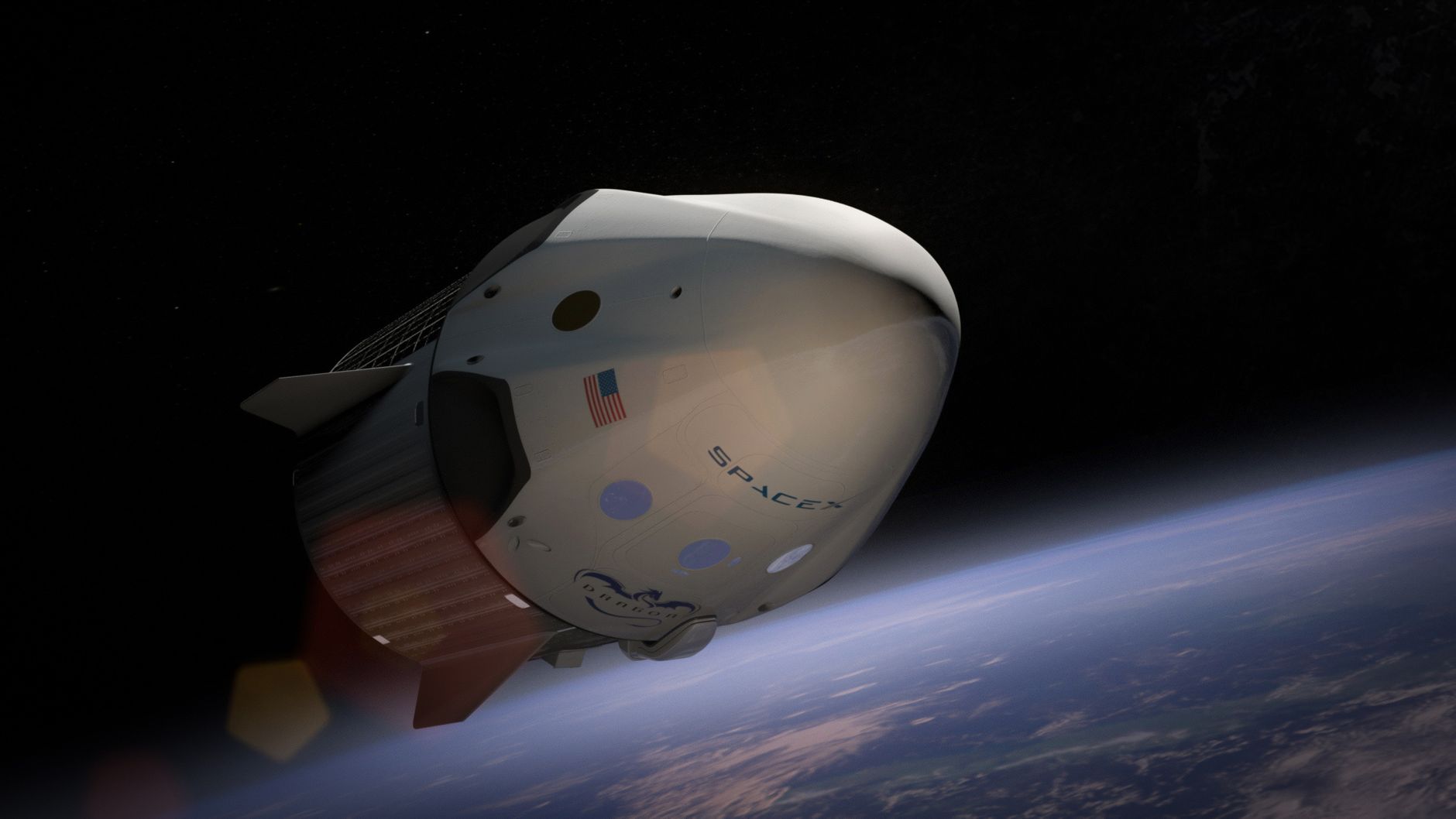
The active debris removal mission by ClearSpace is set to revolutionize how the UK tackles space junk. This initiative marks a significant step towards ensuring safer space operations.
What is Active Debris Removal?
Active debris removal (ADR) is a crucial initiative aimed at addressing the growing problem of space junk orbiting Earth. With thousands of defunct satellites and fragments from past missions cluttering the orbital environment, the risk of collisions increases significantly. This not only threatens operational satellites but also endangers future space exploration efforts.
The active debris removal mission involves the use of sophisticated technologies and techniques to capture and deorbit this hazardous debris, ensuring a safer space environment for current and future missions. Key components of ADR include:
- Identification: Utilizing radar and tracking systems to locate and monitor space debris.
- Capture: Developing innovative mechanisms such as nets, harpoons, or robotic arms to grab and secure debris.
- Deorbiting: Applying propulsion systems to bring captured debris down safely into the Earth’s atmosphere, where it will burn up.
Countries and organizations around the world are increasingly recognizing the importance of implementing ADR strategies. As space activities expand, the urgency for effective debris mitigation methods becomes ever more apparent, making missions like ClearSpace’s pioneering project essential for sustainable space operations.
The Importance of Space Junk Management
The growing concern over space debris has led to an urgent need for effective management strategies. Space junk, which includes defunct satellites, spent rocket stages, and fragments from past collisions, poses significant risks to operational spacecraft and the International Space Station. As the number of objects in orbit increases, so does the potential for catastrophic collisions that could generate even more debris.
The active debris removal mission is essential for ensuring the long-term sustainability of space activities. Without intervention, the risk of collision will escalate, threatening both governmental and commercial satellites that are vital for communication, navigation, and Earth observation.
Moreover, the economic implications of space debris cannot be overlooked. The potential losses from damaged or destroyed satellites can amount to billions of dollars. Investing in debris removal technologies not only protects existing assets but also paves the way for future missions, ensuring safe access to space for generations to come.
As countries and private companies increasingly recognize the importance of space junk management, initiatives like ClearSpace’s mission will play a pivotal role in shaping international policies and collaborative efforts aimed at preserving the space environment.
ClearSpace’s Innovative Approach
ClearSpace’s innovative approach to the active debris removal mission represents a significant step forward in tackling the growing problem of space junk. The company has developed a unique technique that combines advanced technology with sustainable practices. By utilizing a specially designed spacecraft, ClearSpace aims to capture and remove defunct satellites and other debris from orbit.
The mission will utilize a robotic arm equipped with specialized tools to grasp and secure space debris. This method not only ensures effective removal but also minimizes the risk of further collisions in space. The spacecraft is designed to deorbit itself along with the captured debris, ensuring that both the mission and the removal process are environmentally responsible.
Additionally, ClearSpace has partnered with various organizations to enhance the mission’s effectiveness. These collaborations aim to refine tracking systems that can identify and monitor debris in real time. The goal is to create a comprehensive approach to space debris management that can be replicated in future missions.
Overall, ClearSpace’s commitment to an active debris removal mission not only showcases the potential for innovative engineering but also emphasizes the necessity of proactive measures in preserving the sustainability of our orbital environment.
How Will the Mission Work?
The upcoming active debris removal mission by ClearSpace is set to utilize advanced technology to tackle the growing problem of space debris. The mission will involve a specially designed spacecraft that will be launched into low Earth orbit. Once in orbit, the spacecraft will identify and capture defunct satellites and other debris using a unique robotic arm.
Key elements of the mission include:
- Target Selection: The spacecraft will be equipped with sophisticated sensors to locate and prioritize the removal of larger debris pieces that pose significant risks to active satellites.
- Capture Mechanism: A specialized robotic arm will be employed to grasp the debris securely, ensuring safe removal without fragmentation.
- Deorbiting Process: Once the debris is captured, the spacecraft will initiate a controlled deorbiting process, guiding the collected debris to re-enter the Earth’s atmosphere, where it will burn up.
This mission represents a pioneering step in the field of active debris removal, emphasizing the need for sustainable practices in space exploration. By effectively addressing the issue of space junk, ClearSpace aims to enhance the safety of orbital operations and pave the way for future space endeavors.
Challenges in Debris Removal
The journey towards a successful active debris removal mission is fraught with challenges that require innovative solutions. One of the primary obstacles is the sheer volume of debris orbiting the Earth. As of now, there are millions of pieces of space junk, ranging from defunct satellites to tiny fragments resulting from collisions. This vast array makes pinpointing and capturing specific objects a complex task.
Moreover, the unpredictable nature of space debris poses significant risks. Objects travel at extremely high velocities, making collisions with operational satellites a constant threat. Ensuring that the active debris removal mission can safely navigate these hazardous environments is critical for its success. Engineers must develop precise tracking systems and advanced robotic technologies to enhance the mission’s effectiveness while minimizing risks to other spacecraft.
Additionally, the cost of such missions can be prohibitively high. Funding remains a significant barrier, as governments and private entities must allocate resources for both research and practical implementation. Collaboration between international space agencies can help mitigate these financial challenges and promote shared responsibility for the sustainability of outer space.
In conclusion, overcoming these challenges is essential for the success of the active debris removal mission, paving the way for a cleaner and safer space environment.
Future of Space Sustainability
The future of space sustainability hinges on initiatives like the active debris removal mission, which aims to address the growing problem of space junk. As more satellites are launched and the number of space missions increases, the risk of collision escalates, threatening both current assets and future exploration efforts.
To ensure a sustainable space environment, several key strategies must be implemented:
- Improved Tracking Systems: Developing advanced technologies to monitor space debris will allow operators to make informed decisions about satellite maneuvers and prevent collisions.
- International Collaboration: Global cooperation is essential for creating standardized practices and sharing data about debris. Countries must work together to address the shared responsibility of maintaining space.
- Innovative Technologies: Investing in new methods for debris removal, such as robotic arms and nets, will enhance the efficiency of active debris removal missions.
- Policy and Regulation: Establishing clear guidelines regarding the end-of-life procedures for satellites can minimize the amount of debris generated by future missions.
By prioritizing these strategies, the space industry can pave the way for a cleaner and safer cosmic environment, ultimately safeguarding the future of space exploration and satellite operations.
The active debris removal mission represents a significant step forward in addressing the growing problem of space junk. By successfully launching this initiative, ClearSpace aims to set a precedent for future active debris removal missions around the globe.
Photo by SpaceX on Pexels