LLM-Guided Physics is revolutionizing the way video generation models improve themselves. This innovative approach utilizes advanced AI to enhance video quality and creativity.
What is LLM-Guided Physics?
LLM-Guided Physics refers to a novel approach that integrates large language models (LLMs) with the principles of physics to enhance video generation processes. By leveraging the power of LLMs, this method allows for the creation of more realistic and coherent video content, making it an exciting development in the field of artificial intelligence.
This technique utilizes natural language understanding to interpret and generate complex physical scenarios. The integration of physics concepts helps ensure that the generated videos adhere to the laws of motion and other physical phenomena, resulting in a more believable output.
Some of the key aspects of LLM-Guided Physics include:
- Realism: The application of physics principles enables videos to mimic real-world dynamics accurately.
- Coherence: LLMs help maintain narrative consistency throughout the video, enhancing viewer engagement.
- Self-Improvement: The system can learn from previous outputs, continuously refining its video generation capabilities.
This innovative approach is paving the way for the future of video generation, combining creativity with scientific rigor to produce high-quality visual content.
How LLM-Guided Physics Improves Video Models
The implementation of LLM-Guided Physics in video generation models has shown remarkable improvements in both efficiency and realism. By leveraging the power of large language models, these systems can create more coherent and fluid animations that closely mimic real-world physics.
One of the key advantages of using LLM-Guided Physics is its ability to understand and predict physical interactions. This leads to:
- Enhanced Realism: The models incorporate accurate representations of gravity, collision, and other physical forces, resulting in more lifelike movements.
- Self-Improvement: As the system generates videos, it learns from its mistakes, refining its understanding of physics and improving future outputs.
- Versatility: LLM-Guided Physics can be applied across various domains, from gaming to educational content, making it a valuable tool for multiple industries.
Moreover, the integration of LLM-Guided Physics allows for dynamic scene generation, where the environment can adapt based on the actions of characters or objects. This flexibility not only enhances viewer engagement but also opens new avenues for creativity in video production.
Overall, LLM-Guided Physics represents a significant leap forward in the quest for advanced video generation techniques.
The Impact of AI on Video Generation
As artificial intelligence continues to evolve, its impact on various fields becomes increasingly pronounced. One of the most significant advancements has been in the realm of video generation, where LLM-guided physics plays a crucial role. This innovative approach combines the power of large language models (LLMs) with physics-based simulations, resulting in enhanced video quality and realism.
The integration of LLM-guided physics offers several key benefits that are reshaping video generation:
- Increased Realism: By incorporating physical laws into the generation process, videos achieve a level of realism that was previously unattainable.
- Improved Efficiency: Utilizing LLM-guided physics allows for faster generation of high-quality videos, reducing the overall time required for production.
- Self-Improvement: The models can learn and adapt over time, continuously enhancing their performance and output quality.
- Broader Applications: This technology can be applied across various sectors, including entertainment, education, and virtual reality.
In conclusion, the impact of AI, particularly through LLM-guided physics, is revolutionizing video generation, setting new standards for creativity and innovation.
Future Trends in AI and Video Creation
As technology continues to evolve, the intersection of artificial intelligence and video generation is witnessing remarkable advancements. One of the most promising developments is LLM-Guided Physics, which is poised to shape the future of video creation in unprecedented ways.
Several trends are emerging that highlight the potential of LLM-Guided Physics:
- Enhanced Realism: Future video models are expected to incorporate increasingly sophisticated physics simulations, resulting in more realistic animations and interactions.
- Real-Time Adaptation: With the help of LLM-Guided Physics, video generation systems may soon be able to adapt in real time to user inputs and environmental changes, making content creation more dynamic.
- Personalization: AI-driven tools will enable creators to develop highly personalized video content, tailoring narratives and visuals to specific audiences.
- Broader Accessibility: As LLM-Guided Physics technology becomes more refined, it is likely to become accessible to a wider range of users, including those without extensive technical expertise.
In conclusion, the future of AI and video creation is bright, with LLM-Guided Physics at the forefront, promising to redefine how we produce and interact with visual media.
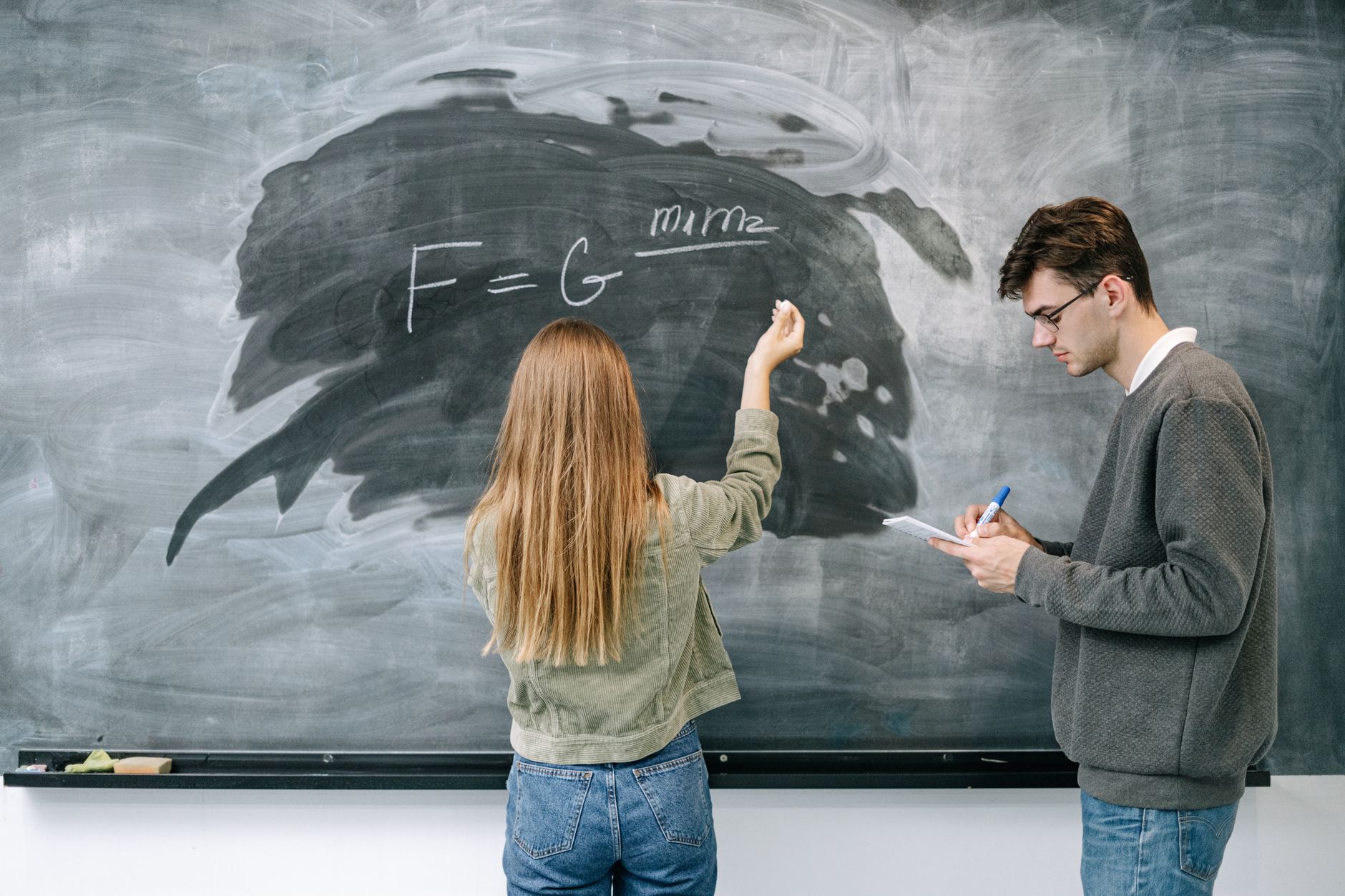
Photo by Ivan S on Pexels