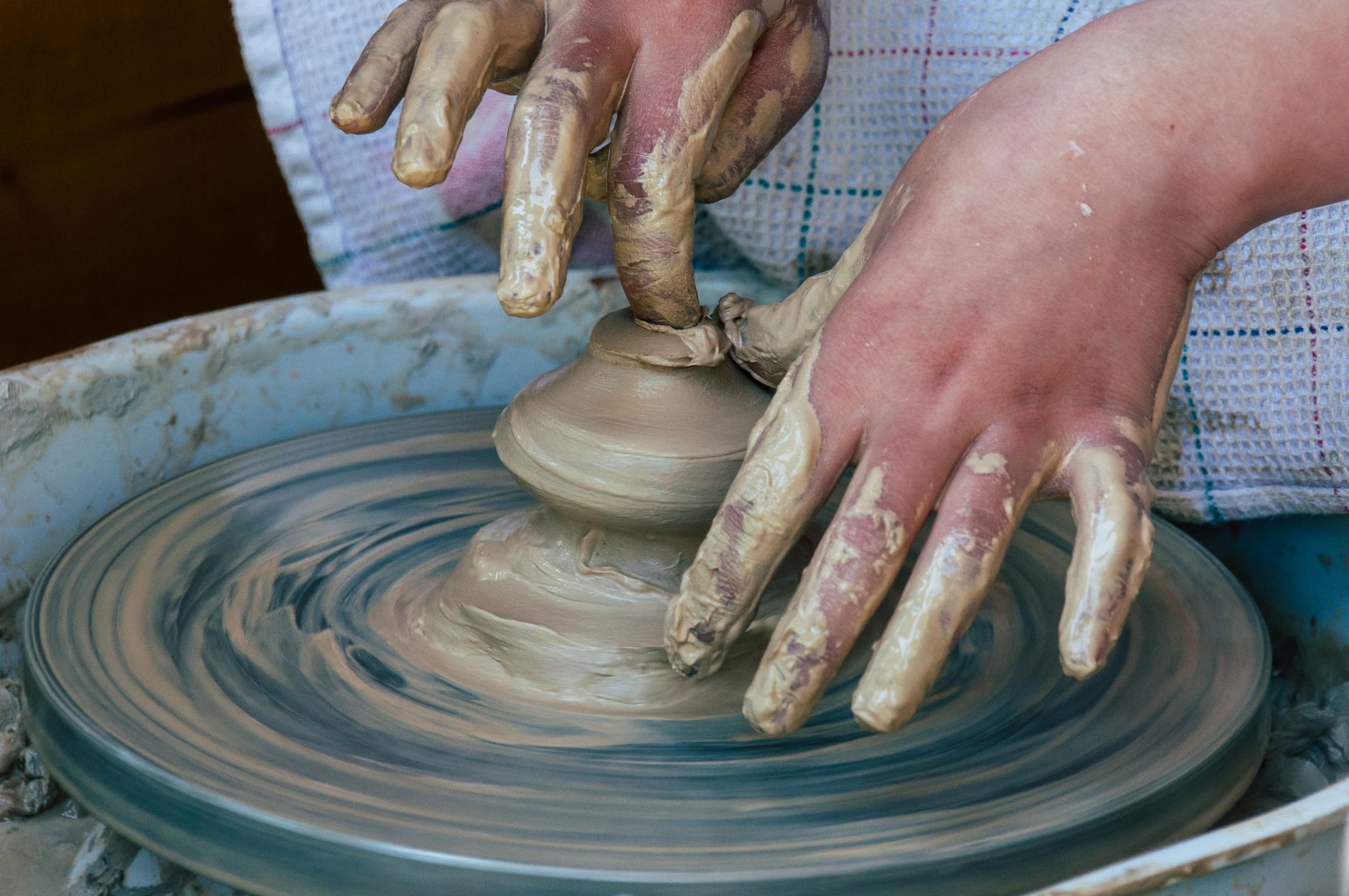
early pottery-making experiments are highlighted by the discovery of 11,000-year-old fired clay fragments. This find sheds light on the origins of pottery and the ingenuity of ancient cultures.
The Significance of Fired Clay Fragments
The discovery of 11,000-year-old fired clay fragments highlights the significance of early pottery-making experiments in human history. These ancient artifacts provide valuable insights into the technological advancements of prehistoric cultures.
Researchers have noted several key aspects of these findings:
- Craftsmanship: The fragments showcase the skill and creativity of early artisans who experimented with different clay types and firing techniques.
- Cultural practices: The pottery indicates that these communities were beginning to develop unique cultural identities and practices related to food storage and preparation.
- Trade and exchange: The presence of fired clay fragments suggests early forms of trade, as different groups may have shared pottery-making techniques.
Overall, these fired clay fragments not only mark a significant moment in technological innovation but also reflect the evolving lifestyles of early human societies.
Understanding Ancient Pottery Techniques
Understanding ancient pottery techniques sheds light on the evolution of human creativity and resourcefulness. Archaeological findings suggest that early pottery-making experiments were not merely functional but also artistic endeavors. These early artisans utilized local clay, experimenting with various shapes and firing methods, which resulted in a diverse array of pottery styles.
Key techniques observed in these ancient practices include:
- Coiling: A method where clay is rolled into long strips and layered to form vessels.
- Pinching: The technique of shaping clay by hand, using fingers to create small bowls or jars.
- Burnishing: Polishing the surface of pottery to enhance its aesthetic appeal and durability.
These early pottery-making experiments reflect not only the practical needs of ancient communities but also their desire for beauty and expression in everyday objects.
Cultural Implications of Pottery-Making
The discovery of 11,000-year-old fired clay fragments offers profound cultural implications regarding early pottery-making experiments. These ancient artifacts highlight the innovative efforts of prehistoric societies to manipulate materials and create functional items.
Pottery not only served practical purposes, such as cooking and storage, but also played a significant role in social interactions and community identity. The ability to produce pottery likely encouraged trade and the sharing of techniques among different groups, fostering connections.
Furthermore, the emergence of pottery-making signifies a shift towards sedentary lifestyles, as communities began to settle and develop agriculture. This transition reflects broader changes in human behavior and societal structures, marking a pivotal moment in cultural evolution.
- Facilitated trade and communication
- Promoted community bonding
- Indicated a shift to permanent settlements
Understanding these implications enriches our knowledge of early human civilization.
How Pottery Changed Human Society
The advent of pottery-making marked a pivotal shift in human society, fundamentally altering daily life and cultural practices. Early pottery-making experiments allowed for the storage and preservation of food, which played a critical role in transitioning communities from nomadic lifestyles to more permanent settlements.
By enabling the cooking of diverse foods, pottery also enhanced nutritional options, leading to healthier populations. The ability to create durable containers facilitated trade and the sharing of resources, fostering social connections among different groups.
Moreover, pottery served as a canvas for artistic expression, reflecting the values and traditions of early cultures. As communities began to identify with specific pottery styles, these artifacts became symbols of identity and heritage, underscoring their significance beyond mere utility.
Ultimately, the innovations in early pottery-making experiments laid the groundwork for the development of complex societies and cultural evolution.
The Science Behind Clay and Fire
Research into early pottery-making experiments reveals fascinating insights into the science of clay and fire. The process of transforming raw clay into durable ceramics involves critical changes that occur during firing. As temperatures rise, chemical reactions take place, resulting in a hardened structure that retains its shape and functionality.
Key factors influencing the quality of pottery include:
- Clay Composition: Different minerals in clay affect its plasticity and firing temperature.
- Firing Temperature: Higher temperatures lead to stronger and more resilient pottery.
- Cooling Rate: Gradual cooling can prevent cracks and enhance durability.
Understanding these elements not only sheds light on ancient techniques but also illustrates how early humans experimented with materials and methods to create tools that profoundly influenced their daily lives.
Comparative Studies of Early Pottery
Comparative studies of early pottery-making experiments reveal significant insights into the development of ancient ceramics. Researchers have analyzed pottery samples from various archaeological sites, allowing them to identify distinct techniques and materials used by early cultures. These studies highlight the diversity of methods employed across different regions, showcasing how environmental factors influenced pottery designs.
For instance, some groups utilized local clay sources, while others experimented with additives like plant fibers to enhance durability. The comparative analysis also sheds light on the social and economic factors that may have driven these early pottery-making experiments, suggesting that craftsmanship varied based on community needs.
- Variation in clay composition across regions
- Influence of environmental conditions on pottery styles
- Technological innovations in pottery-making techniques
Such findings underscore the complexity of early human creativity and adaptation in response to their surroundings.
Future Research Directions in Archaeology
As researchers continue to uncover the mysteries surrounding early pottery-making experiments, future research directions in archaeology will play a pivotal role in enhancing our understanding of ancient societies. Scholars are increasingly focusing on various aspects, including:
- Technological Innovations: Investigating the tools and methods used in pottery-making can provide insights into the technological advancements of the time.
- Geographical Variation: Examining pottery from different regions may reveal how local resources influenced styles and techniques.
- Social Dynamics: Understanding the social structures that governed pottery production and distribution will shed light on community interactions.
- Experimental Archaeology: Recreating ancient pottery-making techniques can help validate hypotheses about early practices.
Overall, these research directions aim to deepen our comprehension of human creativity and adaptability during a critical period in our history.
Photo by wal_ 172619 on Pexels