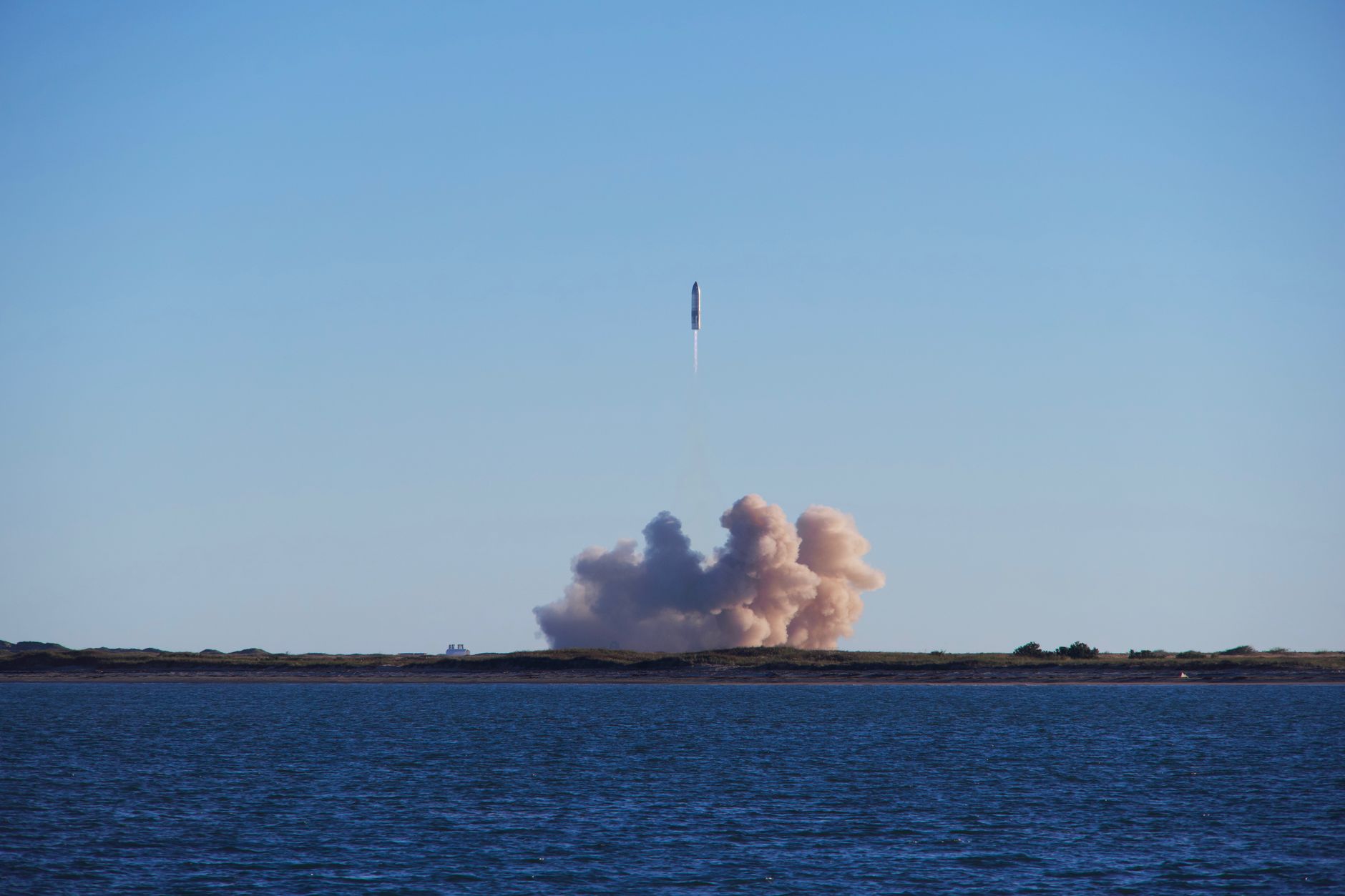
ISRO NVS-03 satellite has successfully launched, restoring India’s NavIC navigation system to four operational satellites. This achievement marks a significant milestone in India’s space capabilities.
Overview of the ISRO NVS-03 Satellite
The ISRO NVS-03 satellite marks a significant advancement in India’s navigation capabilities, enhancing the NavIC system. Launched onboard the GSLV-F18 rocket, it successfully reinstated India’s operational fleet to four satellites, ensuring reliable navigation services across the region.
This satellite is part of a broader effort to modernize India’s satellite navigation system, which provides accurate positioning information to users in India and surrounding areas. The NVS-03 is equipped with advanced technology that improves its performance and reliability, making it a crucial component of the NavIC system.
Key features of the ISRO NVS-03 satellite include:
- Increased accuracy: It offers enhanced positional accuracy for various applications.
- Robust design: The satellite is built to withstand challenging environmental conditions.
- Extended lifespan: It is designed for a longer operational period, ensuring sustainability.
The successful launch reflects ISRO’s commitment to advancing indigenous satellite technology, positioning India as a key player in global navigation systems.
Significance of the NavIC Navigation System
The NavIC navigation system, developed by ISRO, plays a crucial role in enhancing the accuracy and reliability of navigation services across India and neighboring regions. The successful launch of the ISRO NVS-03 satellite marks a significant milestone in the ongoing efforts to strengthen this vital system.
NavIC, which stands for Navigation with Indian Constellation, offers several key benefits:
- Regional Coverage: NavIC provides accurate positioning services within India and a surrounding area of approximately 1,500 kilometers, ensuring reliable navigation for both terrestrial and aerial applications.
- Improved Accuracy: Users can expect a positioning accuracy of less than 20 meters, enhancing navigation for various sectors including transportation, agriculture, and disaster management.
- Independence: The system allows India to rely on its own satellite constellation, reducing dependency on foreign navigation systems.
- Real-time Applications: NavIC supports critical applications such as mobile services, mapping, and surveying, contributing to the advancement of technological infrastructure.
With the addition of the ISRO NVS-03 satellite, the operational capacity of NavIC is restored, further solidifying its importance in modern navigation.
Details of the GSLV-F18 Rocket Launch
The GSLV-F18 rocket successfully launched the ISRO NVS-03 satellite from the Satish Dhawan Space Centre in Sriharikota. This mission marks a significant milestone for the Indian Space Research Organisation, as it enhances the NavIC navigation system, restoring it to four operational satellites. The GSLV-F18, equipped with an indigenously developed cryogenic upper stage, performed flawlessly, ensuring the satellite reached its intended orbit.
The launch took place at 10:42 AM IST, and the satellite was successfully injected into geosynchronous transfer orbit approximately 19 minutes after liftoff. This particular launch vehicle has a proven track record, having been used in multiple missions since its inception. The GSLV series is known for its reliability and efficiency, making it an ideal choice for deploying critical navigation satellites.
With the addition of the ISRO NVS-03 satellite, the NavIC system is expected to provide precise location services across India and surrounding regions. This advancement is crucial for various applications, including transportation, agriculture, and disaster management.
Impact on Indian Space Program
The successful launch of the ISRO NVS-03 satellite has marked a significant milestone in the Indian Space Program, showcasing the nation’s growing capabilities in space technology. With this launch, India has reinstated its NavIC navigation system to a total of four operational satellites, further solidifying its position in the global satellite navigation arena.
The enhanced functionality provided by the NVS-03 satellite is expected to have far-reaching implications for various sectors, including transportation, agriculture, and disaster management. As a part of the NavIC constellation, it will offer more accurate positioning services to users across India and neighboring regions.
Additionally, the success of the GSLV-F18 rocket launch demonstrates ISRO’s commitment to advancing its launch vehicle technology. This achievement not only boosts India’s self-reliance in satellite launches but also opens avenues for international collaborations in space exploration.
Overall, the impact of the NVS-03 satellite on the Indian Space Program is profound, paving the way for future innovations and advancements in satellite technology.
Future of Navigation Systems in India
The future of navigation systems in India is set to be significantly enhanced with the successful launch of the ISRO NVS-03 satellite. This advancement not only strengthens the existing NavIC navigation system but also paves the way for a more robust and reliable infrastructure catering to various sectors.
As India continues to invest in space technology, the following factors will shape the landscape of navigation systems:
- Increased Accuracy: The NVS-03 satellite aims to improve the accuracy of positioning services, benefiting both civilian and military applications.
- Expansion of Services: With more satellites in orbit, services such as real-time tracking and navigation will become more accessible and reliable for users across the country.
- Integration with Global Systems: Future integration with global navigation systems can enhance interoperability, providing users with more options and improved service availability.
- Support for Emerging Technologies: The advancements in navigation systems will support the growth of sectors like autonomous vehicles, drone technology, and smart city initiatives.
Overall, the ISRO NVS-03 satellite marks a significant milestone in advancing India’s navigation capabilities.
Conclusion on ISRO’s Achievements
The successful launch of the ISRO NVS-03 satellite marks a significant milestone in India’s space exploration efforts. With the NavIC navigation system now restored to four operational satellites, ISRO has once again demonstrated its capability to enhance the country’s navigational services.
The achievements of ISRO are not merely technical triumphs; they reflect a broader commitment to advancing India’s position in the global space community. The NVS-03 satellite, which is a critical component of the NavIC system, is expected to provide accurate positioning and timing information, benefiting various sectors such as transportation, agriculture, and disaster management.
As the Indian Space Research Organisation continues to innovate, the future of navigation systems in India looks promising. The successful deployment of the NVS-03 satellite via the GSLV-F18 rocket showcases the reliability and effectiveness of ISRO’s launch capabilities.
- Strengthening India’s Navigation Capabilities: The NVS-03 satellite enhances the reach of the NavIC system.
- Boosting Technological Advancements: This launch paves the way for future innovations in satellite technology.
Overall, ISRO’s dedication to excellence reinforces its status as a leader in space exploration.