The AI ban threshold is a crucial topic in today’s technology landscape. The recent announcement about a $1 billion harm limit by Anthropic raises important questions about the future of AI regulation and business practices.
Understanding the AI Ban Threshold
The concept of the AI ban threshold has gained significant attention as stakeholders seek to define the limits of acceptable risk associated with artificial intelligence technologies. This threshold serves as a guideline for determining when the potential harm caused by AI systems outweighs their benefits.
Recently, Anthropic, a prominent AI research organization, proposed a specific financial limit, suggesting that an AI system should not be able to cause harm exceeding $1 billion. This figure is intended to initiate a broader discussion about responsible AI development and deployment.
Key considerations surrounding the AI ban threshold include:
- The necessity of assessing potential risks during the design phase.
- The importance of establishing regulatory frameworks that can adapt to rapidly evolving technologies.
- The role of ethical guidelines in shaping AI applications.
As AI continues to evolve, understanding and establishing a clear AI ban threshold will be crucial in mitigating risks and ensuring public safety.
The $1 Billion Harm Limit Explained
The concept of the AI ban threshold centers around the established limit of $1 billion in potential harm caused by artificial intelligence systems. This threshold serves as a critical benchmark for policymakers and industry leaders to evaluate the risks associated with AI technologies.
When the projected harm of an AI application reaches this figure, it triggers a reevaluation of its deployment. The aim is to prevent significant negative impacts on society and the economy. Experts argue that setting such a limit is essential for ensuring responsible innovation.
Key considerations regarding the $1 billion harm limit include:
- Risk Assessment: Thorough evaluations of potential consequences before AI systems are implemented.
- Regulatory Framework: Establishing guidelines to govern the development and usage of AI technologies.
- Public Awareness: Educating stakeholders about the implications of exceeding the harm threshold.
Ultimately, the AI ban threshold is a proactive measure aimed at safeguarding against unforeseen dangers.
Implications of the AI Ban Threshold
The implications of the AI ban threshold are significant as they set a clear limit on the potential harm that artificial intelligence can inflict. By establishing a monetary threshold, stakeholders can better assess the risks associated with AI deployment and its corresponding impact on society.
As organizations innovate, the AI ban threshold serves as a guiding principle, ensuring that any technology surpassing the $1 billion harm limit is subject to increased scrutiny or outright prohibition. This threshold emphasizes the responsibility of AI developers to prioritize safety and ethical considerations in their projects.
Furthermore, a defined ban threshold fosters a collaborative environment among tech companies and regulatory bodies, encouraging dialogue about best practices and risk mitigation strategies. Ultimately, the AI ban threshold not only protects individuals and communities but also strengthens public trust in AI technologies as they continue to evolve.
Future of AI Regulation and Business
The future of AI regulation is increasingly centered around the concept of the AI ban threshold. As governments and regulatory bodies grapple with the rapid advancement of artificial intelligence, establishing clear guidelines becomes essential to mitigate potential risks. The threshold aims to define a limit on the harmful impact AI can have, particularly when financial damages reach the $1 billion mark.
Businesses must adapt to this evolving landscape, ensuring their AI technologies align with regulatory expectations. Compliance will not only safeguard companies from potential penalties but will also foster public trust in AI systems. As the industry moves forward, we can expect:
- Stricter regulations that hold companies accountable for AI-related harm.
- Increased transparency in AI development and deployment processes.
- Collaboration between tech firms and regulators to establish best practices.
Ultimately, the AI ban threshold represents a pivotal step towards responsible innovation in the technology sector.
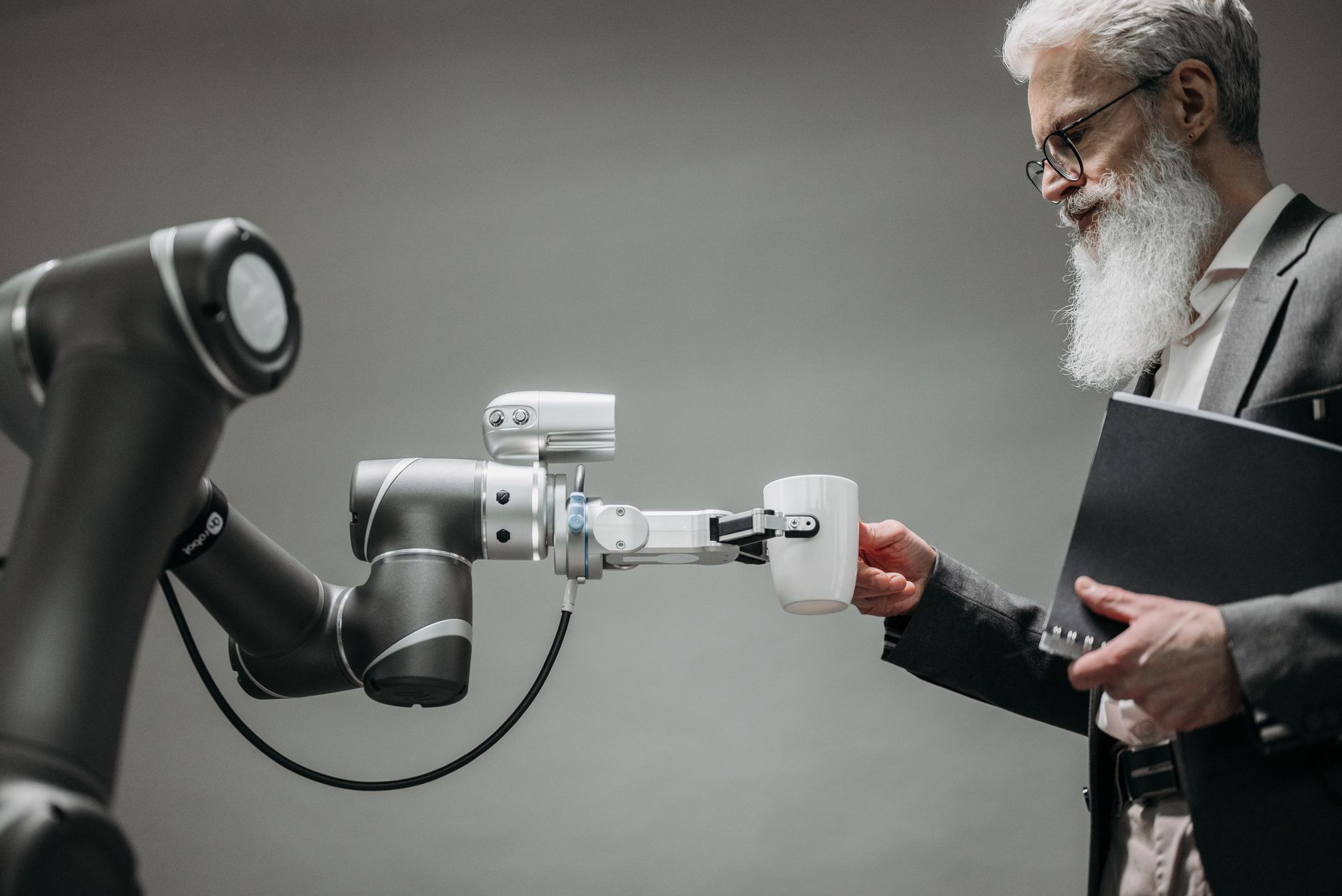
Photo by kirpiklipencere on Pexels