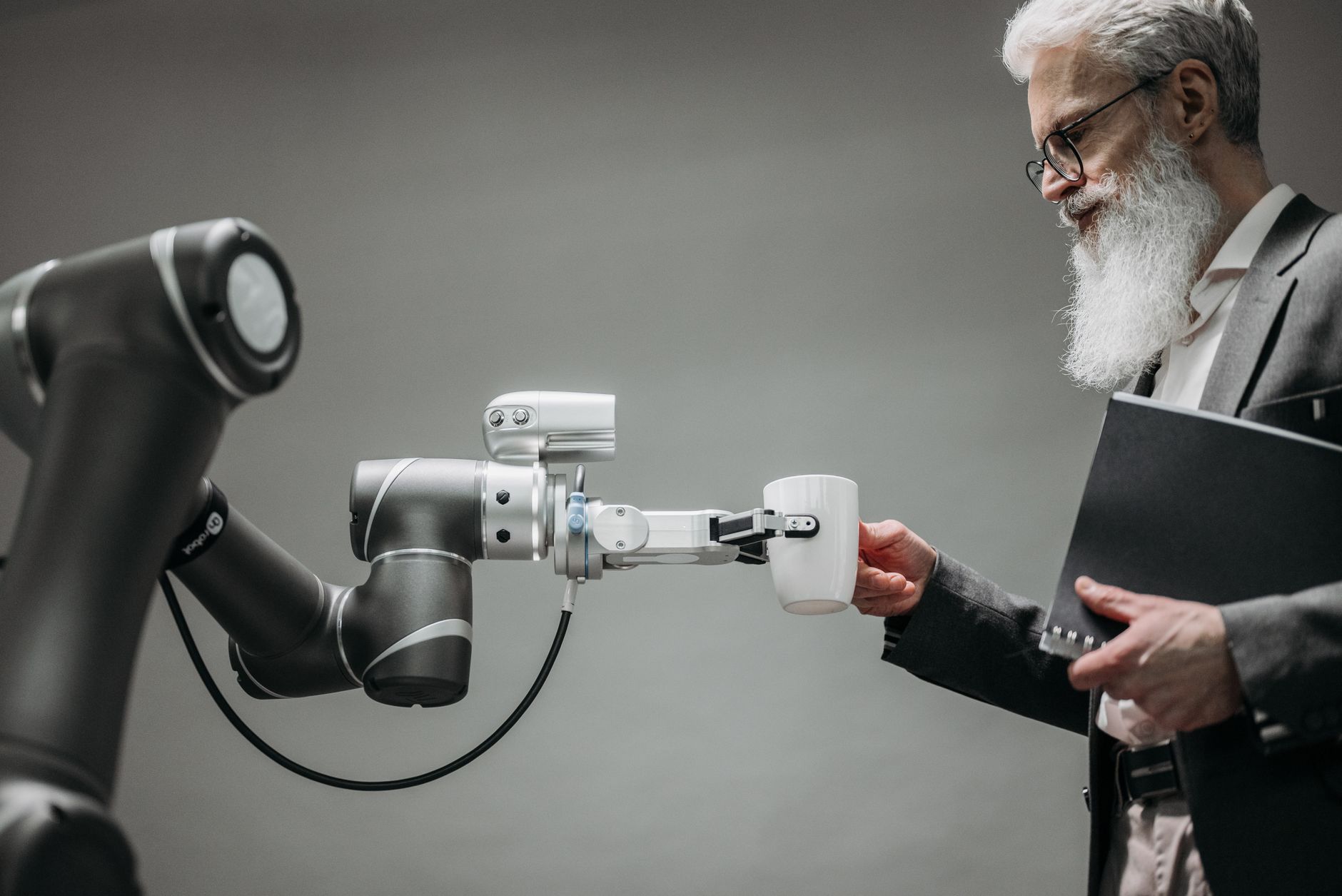
Trump AI self-regulation is a significant topic as discussions unfold at the White House, involving key players in the tech industry.
Overview of the White House Meeting
The recent White House meeting brought together former President Donald Trump and several prominent executives from the artificial intelligence sector. This gathering aimed to discuss the future of AI technology and the importance of self-regulation within the industry. Attendees included tech giants and influential leaders who share a vision for responsible AI development.
During the meeting, Trump emphasized the necessity for a collaborative approach to ensure that AI systems are developed and implemented safely. He stated that the industry must take proactive steps towards self-regulation to prevent potential risks associated with AI technologies.
Key points discussed included:
- Commitment to Responsible Innovation: Executives agreed on the need to prioritize ethical considerations in AI development.
- Establishment of Guidelines: The formation of a framework for self-regulation was proposed to address safety and ethical concerns.
- Collaboration with Government: There was a consensus on the importance of partnering with governmental bodies to shape effective policies.
Overall, the meeting concluded with a sense of optimism about the prospects of Trump AI self-regulation, paving the way for a more secure and responsible AI landscape. This initiative aims to foster innovation while safeguarding public interests.
Key Players in AI Self-Regulation
In the recent White House meeting, key players emerged as crucial advocates for Trump AI self-regulation. This gathering highlighted the collaborative efforts of influential figures in the technology sector and government, aiming to establish a framework for responsible AI development and deployment.
The primary attendees included:
- Donald Trump – Former President and a vocal supporter of innovation in AI technologies.
- Elon Musk – CEO of Tesla and SpaceX, known for his outspoken views on AI safety and ethics.
- Satya Nadella – CEO of Microsoft, whose company is heavily invested in AI advancements.
- Jensen Huang – Founder of NVIDIA, a leader in AI hardware and software.
- Bill Gates – Co-founder of Microsoft and a prominent voice on the societal implications of AI.
The consensus among these leaders was clear: a structured approach to self-regulation in AI is essential to harness its potential while mitigating risks. They emphasized the importance of collaboration between the private sector and government to create guidelines that ensure AI technologies are developed safely and ethically.
The Importance of Self-Regulation in AI
The discussion surrounding Trump AI self-regulation emphasizes the crucial role of self-regulation in the rapidly evolving field of artificial intelligence. As AI technologies continue to advance, the need for guidelines that promote ethical development and deployment becomes increasingly apparent.
Self-regulation allows industry leaders to set standards and practices that ensure responsible AI usage, fostering trust among consumers and stakeholders. The following points highlight the importance of this approach:
- Accountability: Companies taking initiative in self-regulation demonstrate accountability for their technologies and their impact on society.
- Innovation: By establishing frameworks, businesses can innovate confidently, knowing they adhere to best practices that prioritize safety and ethics.
- Collaboration: Self-regulation encourages cooperation among companies, creating a unified front to address common challenges and share insights.
- Public Trust: Transparent self-regulatory measures can enhance public trust in AI, alleviating concerns about misuse and bias.
As leaders like Trump and influential AI executives come together to advocate for self-regulation, it becomes clear that creating a structured approach is not only beneficial but necessary for the sustainable growth of AI technologies in a responsible manner.
Trump’s Vision for AI Governance
Former President Donald Trump has laid out a vision for AI governance that emphasizes the importance of self-regulation within the industry. In a recent meeting at the White House, Trump discussed the potential risks and benefits of artificial intelligence, urging both government and industry leaders to collaborate on establishing robust frameworks that would promote responsible development and deployment of AI technologies.
Trump’s approach centers around the belief that the AI sector should take the initiative in self-regulating its practices. He argues that proactive measures from tech companies can lead to ethical standards that would ultimately benefit society as a whole. Key elements of his vision include:
- Transparency: Companies should be open about their AI systems and how they operate.
- Accountability: Developers must be held responsible for the implications of their technologies.
- Collaboration: Encouraging partnerships between the public and private sectors to create effective policies.
- Innovation: Supporting technological advancements while ensuring safety and ethical considerations.
By advocating for Trump AI self-regulation, he hopes to create a framework that not only fosters innovation but also addresses public concerns about the potential dangers of unchecked AI advancements.
Impacts on the Tech Industry
The recent discussions surrounding Trump AI self-regulation have the potential to reshape the dynamics of the tech industry significantly. As leaders in artificial intelligence convened at the White House, they expressed a collective desire for a framework that encourages innovation while ensuring ethical standards.
One of the primary impacts of this initiative is the establishment of clear guidelines for AI development. These regulations aim to:
- Encourage transparency: Companies will be urged to disclose how their algorithms function, fostering trust among consumers.
- Promote accountability: Developers will be held responsible for the outcomes of their AI systems, which can lead to more cautious advancements.
- Facilitate collaboration: A unified approach to self-regulation can encourage partnerships among tech firms, leading to shared resources and knowledge.
Furthermore, the emphasis on self-regulation allows tech companies to maintain a competitive edge while navigating the complexities of ethical considerations. By prioritizing responsible innovation, the industry can avoid potential backlash from regulators and the public alike.
As the dialogue continues, the tech industry must be proactive in adapting to these emerging standards, ensuring that the benefits of AI advancements are realized without compromising societal values.
Public Reactions to AI Self-Regulation
Public reactions to the recent discussions around Trump AI self-regulation have been mixed, reflecting a wide range of opinions on the topic. Many experts and industry leaders have expressed cautious optimism regarding the potential for a self-regulatory framework. They argue that it could foster innovation while ensuring ethical standards in AI development. One tech executive noted, “A collaborative approach is necessary if we want to harness the true power of artificial intelligence without compromising public trust.”
Conversely, there are significant concerns among critics who fear that self-regulation may not be enough to prevent misuse of AI technologies. Some worry that without stringent government oversight, companies might prioritize profits over safety and ethical considerations. A prominent ethicist stated, “History has shown that self-regulation often leads to complacency. We need robust regulations to protect society.”
Public opinion polls indicate a significant portion of the population is skeptical of self-regulation, with many advocating for stronger governmental intervention. A recent survey revealed that:
- 65% of respondents believe that AI should be closely monitored by regulatory bodies.
- 45% feel that tech companies cannot be trusted to self-regulate effectively.
- 70% support a balanced approach that combines self-regulation with government oversight.
Future of AI Regulations
The future of AI regulations is poised for significant transformation as discussions around Trump AI self-regulation gain momentum. Industry leaders and government officials are increasingly recognizing the need for frameworks that promote innovation while ensuring safety and ethical standards. This collaborative approach seeks to balance technological advancement with societal concerns.
As the landscape of AI continues to evolve, several key factors will shape the direction of these regulations:
- Innovation vs. Regulation: Striking a balance between fostering innovation and implementing necessary regulations will be crucial. Too much regulation could stifle creativity, while too little could lead to potential risks.
- Collaboration Among Stakeholders: Ongoing dialogue between tech companies, policymakers, and civil society will be essential. This collaboration aims to develop guidelines that align with both business interests and public safety.
- Public Trust: Building trust among consumers will be vital for the acceptance of AI technologies. Transparent self-regulation practices can help enhance public confidence in AI systems.
In summary, the future of AI regulations hinges on effective self-regulation strategies championed by influential figures, including Trump, and supported by industry stakeholders. As this dialogue progresses, the potential for a robust regulatory framework that encourages innovation while protecting public interests becomes increasingly achievable.
Conclusion on AI and Business
As discussions surrounding AI continue to evolve, it is evident that Trump’s vision for AI self-regulation sets a significant precedent for the future of business in this rapidly changing landscape. The call for self-regulation not only aligns with the interests of tech executives but also aims to balance innovation with public safety and ethical considerations.
The key takeaways from the recent White House meeting highlight a unified approach among industry leaders and policymakers. By fostering a collaborative environment, stakeholders can address the challenges posed by artificial intelligence while ensuring that the technological advancements benefit society as a whole.
Moving forward, companies are encouraged to adopt transparent practices and implement guidelines that prioritize consumer protection. This proactive stance may lead to enhanced trust between the public and tech firms, ultimately driving growth and sustainability in the AI sector.
In conclusion, the emphasis on AI self-regulation as endorsed by Trump and several tech executives signifies a pivotal moment for businesses. It opens the door for a framework that not only supports innovation but also prioritizes responsibility in the deployment of AI technologies. The collaboration between government and industry will be crucial in shaping a future where AI can thrive without compromising ethical standards.
The discussion surrounding Trump AI self-regulation highlights the importance of establishing clear guidelines for ethical AI development. By fostering a collaborative approach, stakeholders can ensure that Trump AI self-regulation leads to innovative and responsible technologies.