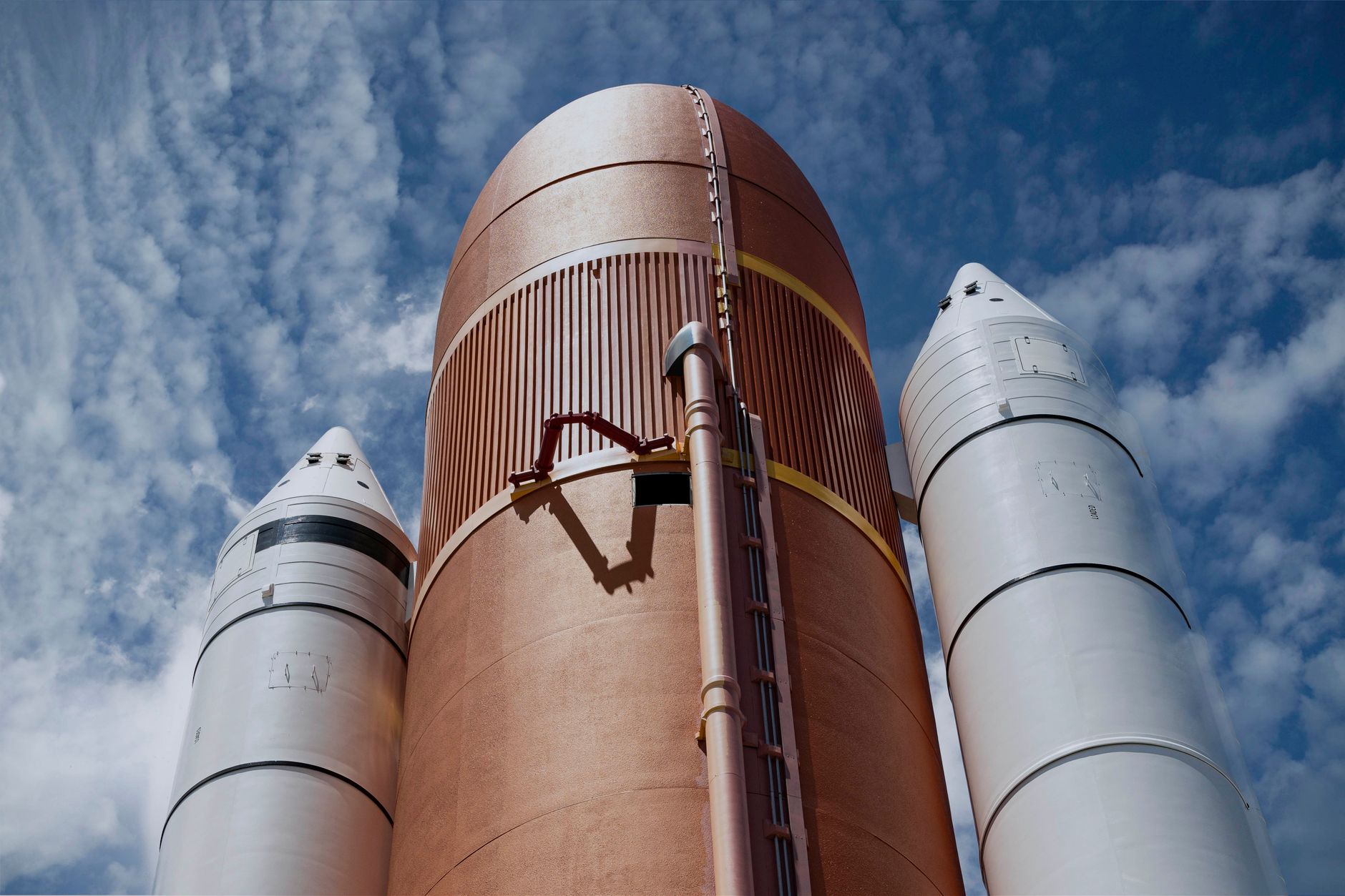
NASA PRIMA Mission is a significant step forward in space exploration, showcasing collaboration between Caltech, JPL, and IPAC.
Overview of the NASA PRIMA Mission
The NASA PRIMA Mission is set to revolutionize our understanding of the universe by focusing on the study of exoplanets and their potential for supporting life. This ambitious project aims to survey a vast number of stars and their planetary systems, seeking to identify those that may harbor habitable conditions.
Key components of the NASA PRIMA Mission include:
- High-Precision Measurements: Utilizing advanced technology to measure tiny variations in star brightness, which can indicate the presence of orbiting planets.
- Collaboration with Leading Institutions: Caltech, JPL, and IPAC play crucial roles in the mission, contributing expert knowledge and innovative solutions.
- Data Analysis and Interpretation: The mission will generate vast datasets that require sophisticated analysis to uncover potential signs of life beyond Earth.
Overall, the NASA PRIMA Mission represents a significant leap forward in space exploration, enhancing our capability to explore distant worlds and expanding our quest to find life in the cosmos.
Key Partnerships in the PRIMA Mission
The NASA PRIMA Mission has gained significant momentum through key partnerships that enhance its potential for success. Among the primary collaborators are Caltech, NASA’s Jet Propulsion Laboratory (JPL), and IPAC, each bringing unique expertise to the project.
Caltech plays a crucial role in the development of advanced technologies that will be utilized in the mission. Their research and innovation in astrophysics contribute to a deeper understanding of the universe, aligning perfectly with the goals of the PRIMA Mission.
JPL is integral in the mission’s engineering and operational aspects. With decades of experience in spacecraft design and mission management, JPL ensures that the PRIMA Mission is both feasible and efficient in its objectives.
IPAC, known for its data analysis capabilities, will support the mission by processing and interpreting the vast amounts of data collected during the exploration. This collaboration aims to provide valuable insights into celestial phenomena.
Through these partnerships, the NASA PRIMA Mission is set to push the boundaries of space exploration and deepen our understanding of the cosmos.
Objectives of the PRIMA Mission
The objectives of the NASA PRIMA Mission are crucial for advancing our understanding of astrobiology and planetary systems. This mission aims to explore the atmospheres of exoplanets, particularly focusing on identifying the chemical signatures that may indicate the presence of life. The following key objectives highlight the mission’s significance:
- Characterization of Exoplanets: PRIMA intends to analyze the physical and chemical properties of various exoplanets, including their atmospheres.
- Search for Biosignatures: A primary goal is to detect potential biosignatures, which are indicators of life, through detailed spectroscopy of planetary atmospheres.
- Technological Advancement: The mission will test innovative technologies in high-contrast imaging and spectroscopy that can be applied to future space explorations.
- Interdisciplinary Collaboration: PRIMA promotes collaboration among scientists and engineers from various institutions, enhancing research and development capabilities.
Through these objectives, the NASA PRIMA Mission aims to push the boundaries of our knowledge regarding habitable environments beyond Earth, ultimately contributing to the search for extraterrestrial life.
Technological Innovations in PRIMA
The NASA PRIMA Mission is set to revolutionize our understanding of space through a series of groundbreaking technological innovations. These advancements aim to enhance the mission’s ability to explore and analyze celestial bodies with unprecedented precision.
Key innovations include:
- Advanced Sensor Technology: PRIMA utilizes state-of-the-art sensors designed for high-resolution imaging and spectroscopy, allowing scientists to capture detailed data about distant planets and asteroids.
- Autonomous Navigation Systems: The mission incorporates cutting-edge autonomous navigation algorithms, enabling the spacecraft to make real-time decisions and adjust its trajectory without direct human intervention.
- Data Processing Capabilities: With enhanced onboard data processing, PRIMA can analyze vast amounts of information in situ, reducing the need for extensive data transmission back to Earth.
- Robust Communication Systems: The mission features advanced communication technology that ensures reliable data transfer, even in challenging environments far from our planet.
These technological innovations are not only vital for the success of the NASA PRIMA Mission but also pave the way for future exploration endeavors in the cosmos.
Timeline for the PRIMA Mission
The PRIMA Mission timeline outlines significant milestones in the planning and execution of this groundbreaking NASA initiative. The mission, which aims to explore new frontiers in space, is being developed in collaboration with several esteemed institutions.
Key dates in the PRIMA Mission timeline include:
- 2021: Initial concept development began, focusing on innovative technologies for data analysis and deep space exploration.
- 2023: NASA announced the selection of the PRIMA Mission, highlighting its importance in understanding the universe.
- 2024: Preliminary design reviews are set to take place, ensuring that all components meet rigorous standards.
- 2025: The mission’s launch is scheduled, with extensive testing and validation during the preceding years.
- 2027: Expected arrival at the designated exploration site, where a series of experiments will commence.
As the PRIMA Mission progresses, each of these milestones will play a critical role in shaping the future of space exploration and enhancing our understanding of cosmic phenomena.
Impact on Future Space Missions
The NASA PRIMA Mission is set to significantly influence the design and execution of future space exploration initiatives. By leveraging advanced technologies and collaborative partnerships, the mission aims to establish new benchmarks for scientific research and discovery beyond Earth.
One of the primary impacts of the PRIMA Mission will be its emphasis on data collection and analysis. This initiative is expected to enhance our understanding of planetary systems, potentially leading to groundbreaking insights into the origins of life. As the mission unfolds, the methodologies and techniques developed will likely serve as templates for subsequent missions.
Furthermore, the interdisciplinary collaboration among institutions like Caltech, JPL, and IPAC will foster a culture of innovation. The success of this mission could encourage similar partnerships in future projects, enhancing resource sharing and expertise exchange.
In addition, the PRIMA Mission is poised to provide invaluable experience in tackling challenges associated with long-term space missions. Lessons learned from its execution will inform the planning and risk management strategies for missions aimed at distant destinations, ensuring a more robust framework for humanity’s next steps in exploration.
Challenges Faced by the PRIMA Team
The NASA PRIMA Mission has encountered several challenges that the team has had to navigate to ensure its success. These obstacles range from technical difficulties to logistical hurdles, which are common in large-scale space exploration projects.
- Technical Complexities: Developing advanced technologies that can withstand the harsh conditions of space has proven to be a significant challenge. The team must ensure that all instruments are reliable and can operate under extreme temperatures and radiation.
- Funding and Resource Allocation: Securing adequate funding and resources is crucial for the PRIMA Mission. The team has faced competition for budget allocations, which can affect project timelines and objectives.
- Collaboration Across Institutions: Coordinating efforts among various partners, including Caltech, JPL, and IPAC, requires effective communication and collaboration. Misalignment in goals or schedules can hinder progress.
- Public and Political Scrutiny: As a high-profile mission, the PRIMA team must address public interest and political concerns, ensuring transparency while managing expectations regarding outcomes.
Despite these challenges, the PRIMA team remains committed to advancing scientific knowledge through their work.
Conclusion on NASA’s PRIMA Mission
In conclusion, the NASA PRIMA Mission stands as a pivotal initiative in the quest for understanding the cosmos. The mission combines cutting-edge technology and collaborative efforts from esteemed institutions, marking a significant step forward in space exploration.
With its ambitious objectives aimed at unraveling the mysteries of the universe, the PRIMA Mission is set to enhance our knowledge of planetary systems and potentially habitable worlds beyond our own. The mission’s innovative approaches, including advancements in telescope technology and data analysis, reflect the commitment to pushing the boundaries of what is possible in astrophysics.
Moreover, the challenges faced by the PRIMA team have only strengthened their resolve, demonstrating the resilience and ingenuity that characterize NASA’s endeavors. As the mission progresses, it will not only contribute to scientific understanding but also inspire future generations of scientists and explorers.
Ultimately, the NASA PRIMA Mission exemplifies the best of proven space exploration techniques, paving the way for exciting discoveries that could reshape our understanding of the universe.
Photo by john mckenna on Pexels