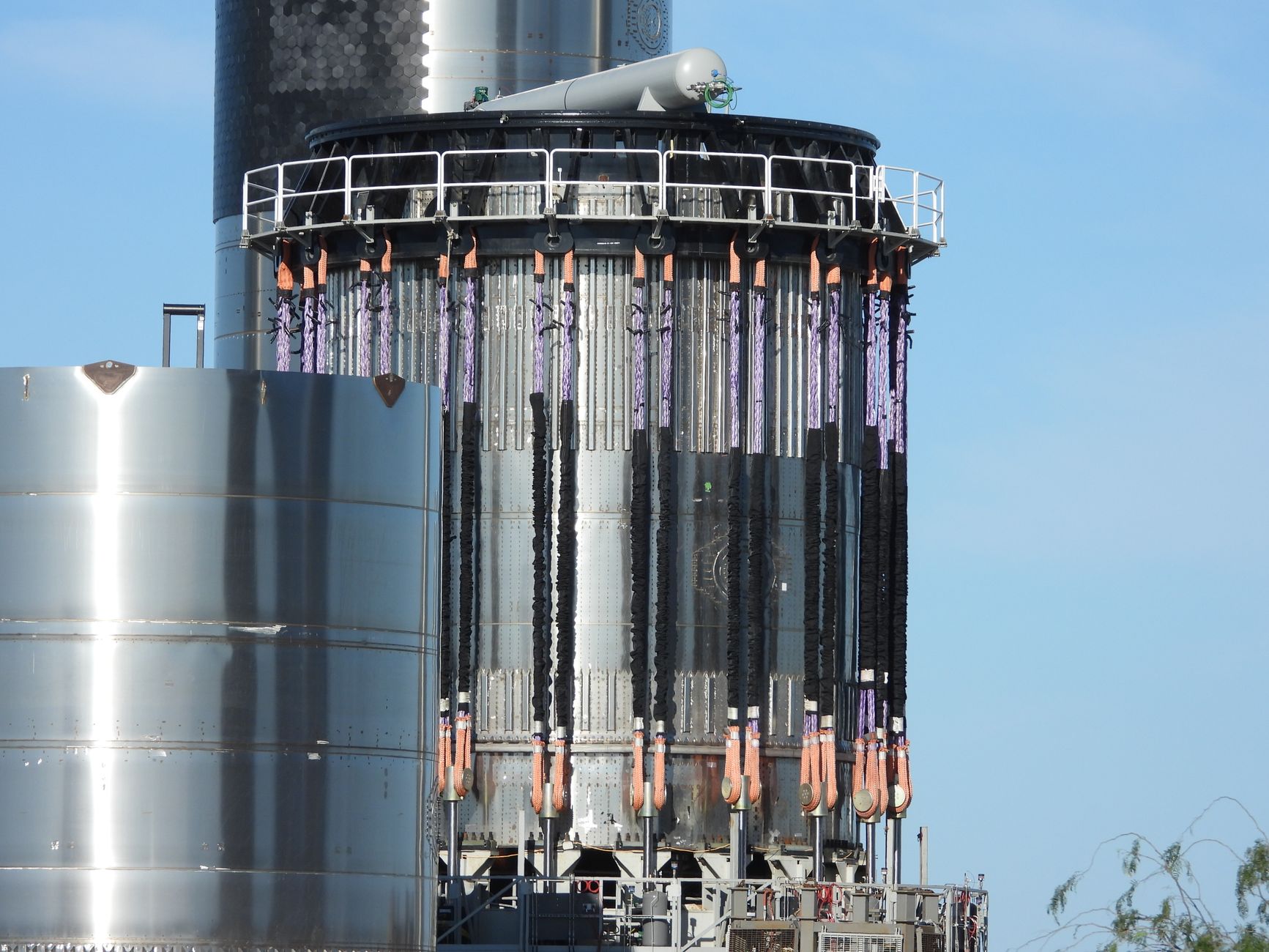
China’s Gravity-1 rocket has successfully completed its mission by carrying nine satellites into orbit. This achievement marks a significant milestone in the country’s commercial space endeavors.
Overview of China’s Gravity-1 Rocket
China’s Gravity-1 rocket has recently gained attention after its successful mission to carry nine satellites into orbit. This achievement marks a significant milestone for China’s burgeoning space industry and showcases the capabilities of its latest launch vehicle.
Developed by a prominent Chinese aerospace company, the Gravity-1 rocket is designed for commercial use, aiming to facilitate satellite deployment for various applications, including telecommunications and Earth observation. With a reliable performance record, it positions itself as a strong contender in the competitive global launch market.
The rocket features advanced technology that enhances its payload capacity and efficiency. Some key aspects of the Gravity-1 rocket include:
- Payload Capacity: The Gravity-1 can carry multiple satellites simultaneously, making it an attractive option for customers looking to deploy multiple payloads in a single launch.
- Cost Efficiency: Designed with affordability in mind, the Gravity-1 seeks to reduce launch costs, appealing to both domestic and international clients.
- Proven Technology: Backed by extensive testing, the rocket incorporates tried-and-true technologies, ensuring reliability and safety during missions.
As China’s Gravity-1 rocket continues to prove its capabilities, it remains to be seen if it will establish itself as a leader in the commercial launch sector.
Successful Launch of Nine Satellites
On a significant day for China’s aerospace ambitions, the country’s Gravity-1 rocket successfully launched nine satellites into orbit, marking a remarkable achievement in its burgeoning commercial space sector. The mission, executed with precision, highlights the growing capabilities and reliability of China’s Gravity-1 rocket, which has been designed to cater to a variety of payloads and mission profiles.
The launch took place at a designated spaceport, where the Gravity-1 demonstrated its robust performance through a flawless ascent. This event underscores China’s commitment to expanding its presence in the global space market, alongside established players like SpaceX and Arianespace.
Among the satellites launched, several are dedicated to Earth observation, while others focus on telecommunications and scientific research. The successful deployment of these satellites is expected to enhance data collection and connectivity, offering significant benefits in various sectors including agriculture, disaster management, and telecommunications.
This success not only cements the Gravity-1 rocket’s status as a reliable launch vehicle but also positions China as a formidable contender in the competitive landscape of commercial space launches. With each successful mission, the confidence in the Gravity-1 rocket continues to grow, paving the way for future advancements and opportunities in space exploration.
Impact on Commercial Space Industry
The successful launch of China’s Gravity-1 rocket has significant implications for the commercial space industry. By demonstrating its capability to deliver multiple payloads into orbit, the Gravity-1 sets a new standard for reliability and cost-effectiveness in satellite launches.
This success may accelerate the competition among global launch providers, prompting them to innovate and improve their services. The increased reliability of the Gravity-1 could attract more clients, particularly those in need of affordable launch options. Many companies are seeking to deploy satellites for various applications, including telecommunications, Earth observation, and scientific research.
Industry experts are observing the response from the market, as the Gravity-1 rocket’s performance may lead to a shift in where companies choose to launch their satellites. With China’s advancements in rocket technology, other nations may need to reassess their own strategies and capabilities to remain competitive.
Furthermore, the success of the Gravity-1 could encourage increased investment in China’s space programs. As the commercial space sector evolves, collaboration between private companies and government agencies may also become more common, driving further advancements in technology and infrastructure.
Overall, the impact of China’s Gravity-1 rocket on the commercial space industry is poised to be profound, shaping the future of satellite launch services worldwide.
Future Missions and Developments
As China’s Gravity-1 rocket continues to demonstrate its capabilities, future missions and developments are set to expand its impact on the space industry. The successful launch of nine satellites has marked a significant milestone, but it is just the beginning.
Looking ahead, the China National Space Administration (CNSA) has outlined a series of ambitious missions that leverage the proven technology of the Gravity-1 rocket. These missions aim to enhance satellite deployment, facilitate scientific research, and support international collaborations.
Among the planned initiatives is a focus on commercial partnerships, allowing private companies to utilize the Gravity-1’s reliable launch services. This move is expected to foster innovation and drive down costs in satellite deployment, making space more accessible to smaller enterprises.
Moreover, there are discussions of potential upgrades to the Gravity-1 rocket itself, which could include increased payload capacity and improved efficiency. Such enhancements would solidify its position in the competitive landscape of global launch providers, particularly as demand for satellite launches continues to grow.
In conclusion, the future of China’s Gravity-1 rocket looks promising, with numerous opportunities for expansion and technological advancements that could reshape the commercial space sector.
Photo by Ocean Camera Space Corp. on Pexels
References
Reliance Jio anniversary offer: Best prepaid plan deal · Open-Ear Earbuds: HAMMER’s Proven 60-Hour Playtime · Gas Plant Investment: Proven Benefits of US-South Korea Deal